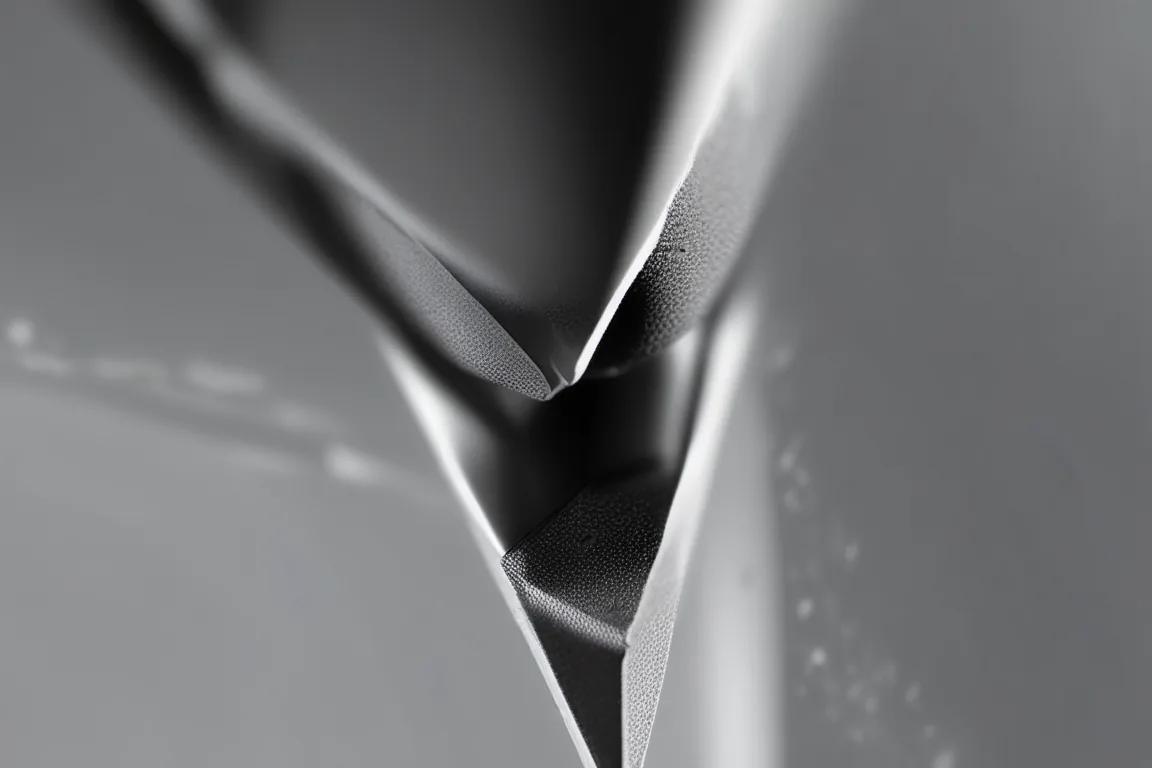
The HDCS636 step drill's precise shoulder accuracy ensures consistent diameter transitions between steps. This is critical because the shoulder, formed by grinding, becomes the weakest point on the tool. With a hardness range of 89 to 93 HRC, the carbide material resists wear and deformation during cutting. The geometry design stabilizes the tool at 3 mm diameters, enhancing durability. Accurate shoulders prevent chipping and breakage, extending tool life in production environments.
What this geometry controls
The HDCS636 step drill's geometry ensures a precise shoulder position when forming multiple diameters in one pass. This accuracy minimizes variations in cut quality across different materials. Carbide material hardness ranging from 89 to 93 HRC provides durability and wear resistance during cutting operations. The tool’s diameter range, from 0.43 mm up to 3 mm, accommodates various machining requirements efficiently.
The shoulder accuracy of the HDCS636 prevents damage at the step transitions by ensuring a smooth cut without excessive force or vibration. This design feature reduces tool breakage and prolongs operational life in high-demand applications. The specific geometry values for a 3 mm diameter drill are carefully set, contributing to optimal chip evacuation and reduced heat generation during cutting. These parameters enhance overall performance and machining efficiency throughout the process.
| Specification | Value |
|---|---|
| Diameter | 3 mm |
| Carbide hardness | 89–93 HRC |
| Series diameter range | 0.433–3 mm |
The trade-off it brings
The carbide hardness of HDCS636 ranges from 89 to 93 HRC, providing exceptional wear resistance during cutting operations. This high hardness reduces tool wear but increases brittleness slightly, impacting impact toughness. Shoulder accuracy is highly dependent on grind quality rather than machine setup precision. Since the shoulder position in a step drill is defined by its geometry and grind, variations from manufacturing become more critical.
Any deviation affects the transition between steps, reducing overall performance consistency. With precise shoulders, the HDCS636 ensures smooth transitions across different diameters without relying on operator adjustments or machine repeatability. However, this precision comes at the cost of making the shoulder area slightly weaker compared to other parts of the tool. Despite this trade-off, the 3 mm geometry value optimizes the balance between accuracy and structural integrity for most applications, ensuring reliable performance in multiple diameter operations.
Where it is the right choice
The HDCS636 step drill excels in applications requiring high precision and durability due to its carbide hardness ranging from 89 to 93 HRC. This range offers superior wear resistance compared to standard tools, extending tool life during repeated operations.
For machining through holes with tight tolerance requirements, the HDCS636 performs well because of its accurate shoulder positioning during a single pass. The precise geometry ensures minimal variation in diameter transitions between steps. Suitable for high-stress applications like drilling stainless steel or cast iron, where wear resistance is crucial. This drill's robust construction minimizes deflection and chatter, enhancing overall machining quality and efficiency.
Where it is misapplied
The HDCS636 step drill should not be used for applications requiring frequent repositioning or adjustment mid-operation. Frequent changes stress the shoulder area, weakening it significantly over time.
The tool’s geometry is optimized for a single setup to maintain accuracy and structural integrity. Using this tool in dynamic setups can lead to premature wear and failure at the shoulder transition point. Dynamic operations require tools with flexible geometries and materials that withstand frequent adjustments better than carbide. For these applications, consider alternatives like indexable drills or replaceable insert bits designed for multiple positioning needs.
Frequently asked
How accurate is the shoulder on step drills?
The shoulder accuracy depends on the grind, not the machine setup. This ensures precise shoulders but makes the transition area the weakest part of the tool.
Why does a step drill have a weak spot at the diameter change?
Step drills form 2 diameters in one pass. The shoulder position is set by grinding, making this junction thinner and more prone to wear compared to other parts.
What hardness do step drills made from carbide typically have?
Carbide step drills typically range between 89 HRC and 93 HRC, providing excellent durability and performance for drilling operations.