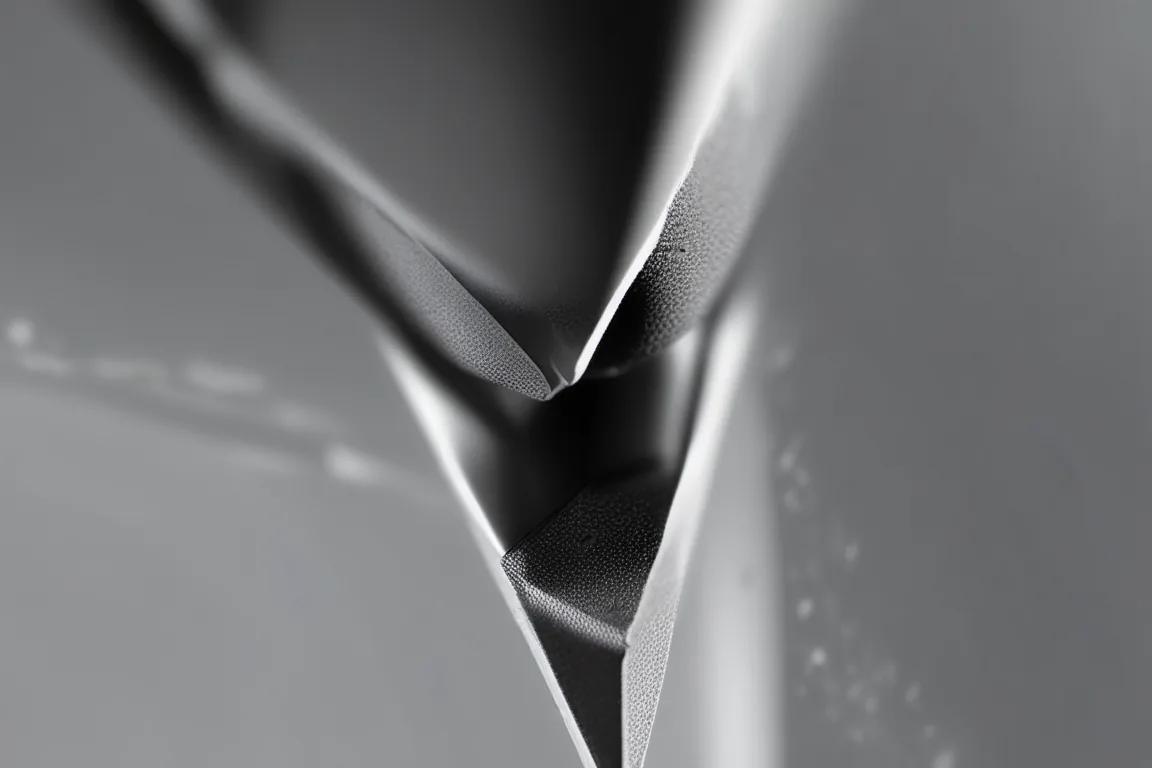
A 3.17 mm shank diameter matches common collets and PCB spindles precisely, ensuring compatibility across various setups. This standardization minimizes setup time and reduces misalignment issues during drilling operations. The DC326 series uses this shank size for diameters from 0.04 to 3.17 mm, covering a wide range of micro-drilling applications. With an HRC hardness between 89 and 93, these tools maintain durability and precision even at smaller scales. Proper tool alignment is crucial, as deviations as small as -0.003 mm can affect drilling accuracy significantly.
What this geometry controls
The 3.17 mm shank diameter ensures precise fit with standard collets and PCB spindles, enhancing tool stability during cutting operations. This compatibility reduces setup time and enhances machining accuracy across different machines. The hardness of carbide used ranges from 89 to 93 HRC, providing high wear resistance for durability in various materials. Shank tolerances up to -0.003 mm ensure consistent grip between the shank and collet, preventing slippage during cutting. Smaller tools with a diameter down to 0.1 mm maintain this standard fit, crucial for micro-drilling applications.
The HDC326 series extends tool range from 0.03 mm to 4.1 mm, offering versatility in thin material drilling and intricate workpieces. This broad spectrum addresses diverse machining requirements without compromising on precision or stability. The uncoated surface of the tools directly affects chip evacuation efficiency by minimizing friction between chips and cutting edges. Accurate shank diameters help control runout issues, critical for maintaining concentricity in small diameter drills. Compatibility with standard holders ensures ease of use and interchangeability across various manufacturing environments.
| Specification | Value |
|---|---|
| Shank diameter | 3.17 mm |
| Diameter | 0.1 mm |
| Carbide hardness | 89–93 HRC |
| Series diameter range | 0.04–3.17 mm |
The trade-off it brings
The 3.17 mm shank diameter allows for a snug fit with standard collets and PCB spindles, enhancing overall tool stability during machining operations. This compatibility ensures consistent performance across various machine types and applications.
However, using this larger shank size introduces some limitations. It restricts the minimum achievable tool diameter to 0.1 mm, limiting the range of very small hole sizes that can be drilled efficiently. Additionally, the increased material volume around the smaller cutting edge requires more force during drilling operations. Despite these constraints, the benefits in terms of stability and ease of use often outweigh the drawbacks for most micro-drilling applications. The shank's robust design minimizes runout issues, contributing to better surface finish quality when drilling small holes. This balance between functionality and practicality makes the 3.17 mm shank a reliable choice for precision machining tasks where stability is crucial.
Where it is the right choice
Carbide hardness ranges from 89 to 93 HRC, making DC326 ideal for operations requiring high wear resistance. This material excels in micro-drilling applications where tool diameter is less than a millimetre.
HDC326's precise 0.1 mm diameter minimizes chip formation and heat generation during cutting. Its compatibility with standard collets ensures stable performance across various machine setups. High hardness maintains edge integrity through extended use without frequent replacements. This geometry reduces vibration, improving surface finish on PCBs and other precision parts.
Where it is misapplied
Choosing a 3.17 mm shank for tools smaller than 0.1 mm in diameter can lead to excessive runout due to poor fit. The small tool diameter means any clearance issue becomes significant. The 3.17 mm shank size requires precise manufacturing tolerances, which are harder to achieve with very thin tools. This precision is difficult and increases production costs unnecessarily for miniature applications.
Using a larger shank than necessary reduces spindle efficiency in micro-drilling operations, as the tool holder takes up more space. Reduced clearance around the cutting edge limits chip evacuation, which leads to overheating and poor surface finish. An alternative would be using a smaller shank size that better matches the tiny tool diameter. This ensures optimal performance by minimizing runout and maximizing stability for precise drilling tasks.
Frequently asked
What is the tolerance for a 3.17 mm shank?
The 3.17 mm shank has a tolerance of -0.003 mm to +0 mm, ensuring precise fit in collets and spindles.
Which tools use a 3.17 mm shank diameter?
Tools like DC326 and HDC326 feature the 3.17 mm shank diameter for micro drilling applications down to 0.04 mm and 0.03 mm diameters respectively, ideal for PCB work.
What is the hardness of carbide used in these tools?
Carbide in DC326 and HDC326 tools has a hardness range of 89–93 HRC, providing durability for precise machining tasks.