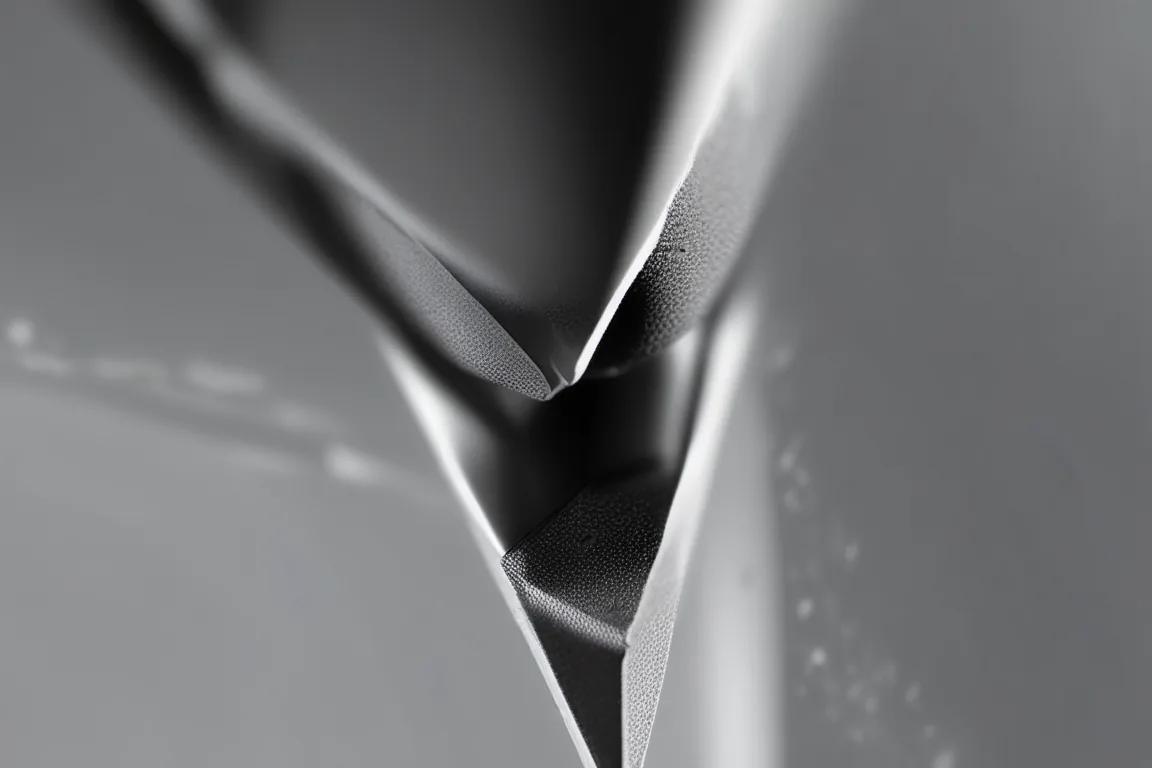
The DC336 drill's margin land width optimizes stability and finish for carbide hardness from 89 to 93 HRC. This design reduces friction during cutting operations, especially in aluminium. At high speeds like 25000 rpm with a feed of 100 mm/min, the narrow land prevents excessive heat buildup. For harder materials, widening the margin improves hole quality and minimizes vibration issues. Finishing operations benefit from this adjustable geometry for better surface finish.
What this geometry controls
The margin land width influences how well the drill stays centered during cutting operations. A wider margin stabilizes drilling at higher speeds and feeds. At lower speeds and feeds, a narrower margin reduces friction against the hole wall. This reduction in friction minimizes heat generation during metal removal processes. Optimal land width varies with material hardness and surface finish requirements. For aluminium, varying rpm settings affect the optimal land width differently.
Lower speeds require narrower lands to prevent excessive friction build-up. Higher speeds benefit from wider lands for enhanced stability. Each change in feed rate demands a corresponding adjustment of the margin size. Proper alignment between the drill’s geometry and cutting parameters ensures efficient chip evacuation. This efficiency directly impacts tool life and machining accuracy.
| Specification | Value |
|---|---|
| Diameter | 1 mm |
| Carbide hardness | 89–93 HRC |
| Series diameter range | 0.07–4.98 mm |
The trade-off it brings
A wider margin land width increases stability but reduces cutting speed due to higher friction. At 150 m/min, a narrow margin allows faster aluminum drilling without overheating issues. For precise operations at 25000 rpm, a narrower land minimizes vibration and ensures better surface finish on aluminum. This comes with increased wear since the drill contacts more material continuously. A wider land reduces tool wear but may require lower feed rates to prevent excessive frictional heating.
Slower speeds can help maintain stability when drilling through hard spots in aluminium alloys. At 16000 rpm, optimal performance balances between margin width and cutting efficiency. A moderate margin accommodates both high precision and durability requirements effectively. Choosing the right margin land width involves trade-offs between speed, accuracy, and tool longevity. Engineers must consider material properties and machining conditions when selecting DC336 drill parameters.
Where it is the right choice
For drilling aluminum, a DC336 drill with a narrow margin land width performs well at higher speeds up to 150 m/min and lower feeds from 50 mm/min.
This configuration minimizes friction and heat buildup during cutting operations on softer materials like aluminum. At these settings, the drill maintains optimal stability and finish quality.
Where it is misapplied
A narrow margin land width on a DC336 drill is suitable for aluminum at lower speeds and higher feeds from 50 mm/min up to 1000 mm/min. At these conditions, the margin helps minimize friction and heat generation, ensuring efficient chip evacuation. When drilling at higher speeds above 150 m/min with narrow margins, stability decreases significantly. Wider margins improve stability but reduce cutting speed due to increased friction between the land and material surface.
For stable drilling of aluminum at lower feed rates like 1200 mm/min, a wider margin is necessary. However, using a wide margin at high speeds reduces efficiency because it increases heat and wear on the drill's cutting edges. Thus, selecting the appropriate margin width ensures optimal performance for specific cutting conditions.
Frequently asked
What is margin land width on a carbide drill?
Margin land width influences stability and finish during drilling. A wider land stabilises the drill, while a narrower one reduces friction and heat generation. Adjust this according to material hardness and coating type.
How does margin land width affect drilling aluminium?
For aluminium, use a narrower margin land width to reduce friction and heat. This optimises chip evacuation and prevents tool wear at high speeds like 25000 rpm or feeds of 100 mm/min.
Should I choose a DC336 drill with DLC coating for steel?
DLC-coated DC336 drills work well in steel due to their low friction properties. Use wider margin land widths to improve stability and reduce wear at optimal cutting speeds between 250 m/min vc and feeds of 100 mm/min.