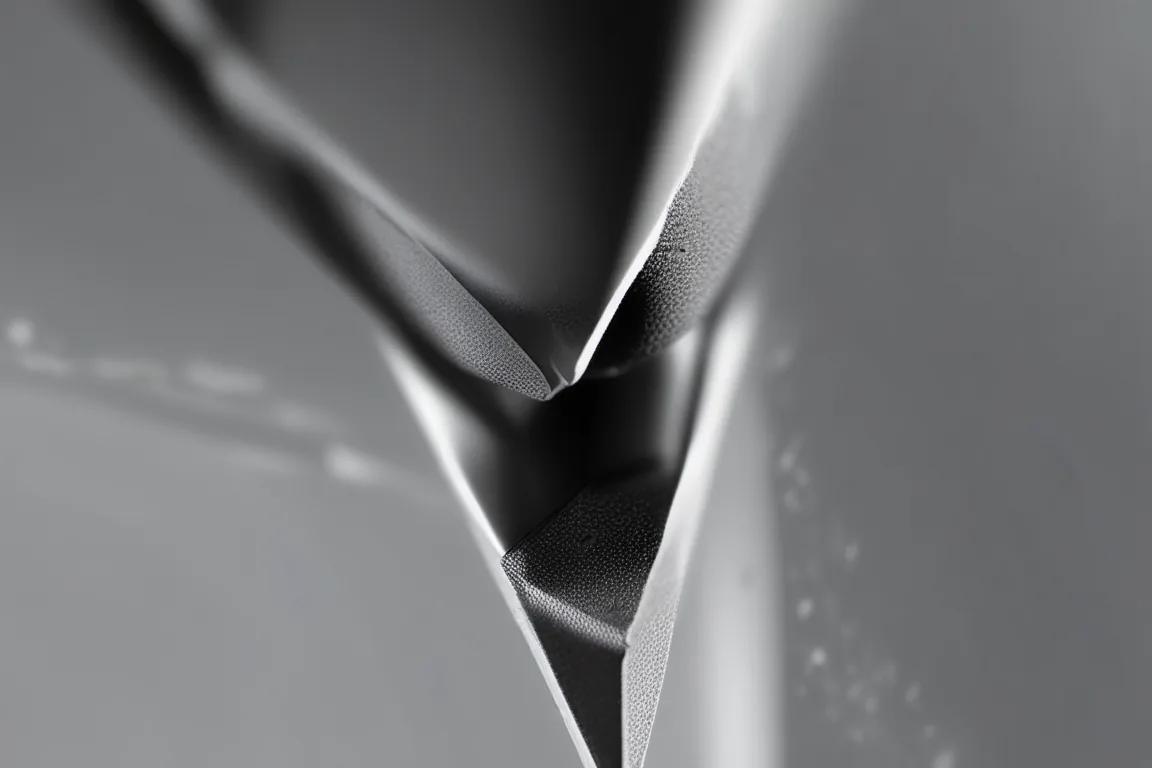
Web thickness impacts rigidity and chip evacuation, balancing bending resistance with cutting efficiency. Thicker webs enhance stability but reduce flute volume for longer drills. For DC426L series, optimal web thickness varies with drill length and diameter ratio. This balance ensures effective side load management without compromising chip clearance. Proper geometry allows stable drilling in hard materials like carbide at 89–93 HRC.
What this geometry controls
Web thickness influences drill rigidity and chip evacuation capacity in cutting operations. Thicker webs provide greater resistance against bending forces during drilling. Side loads are more effectively managed by thicker webs, which maintain structural integrity under stress. This benefits long drills where flexibility could compromise accuracy and performance.
However, increased web thickness also narrows the flute space available for chip removal. As a result, thicker webs increase thrust at the chisel edge, potentially which leads to higher cutting forces near the workpiece surface. Smaller diameter drills benefit from thinner webs that optimize chip evacuation without compromising on rigidity. For larger diameters, such as up to 3 mm, a balance between web thickness and flute clearance is crucial for optimal performance.
| Specification | Value |
|---|---|
| Diameter | 0.1 mm |
| Flute length | 12 mm |
| Carbide hardness | 89–93 HRC |
| Series diameter range | 0.04–3 mm |
The trade-off it brings
A thicker web increases rigidity, providing better stability under side loads at reduced cutting speed. This enhances durability by preventing premature wear on the drill's flutes. However, a wider web reduces chip space inside the flute, which leads to poorer chip evacuation during drilling operations. Consequently, this can cause overheating and decrease tool life expectancy significantly. A thicker web also increases thrust forces at the chisel edge, demanding more axial force from the machine during cutting.
This requires stronger machines with higher torque capabilities to maintain optimal performance. Despite these challenges, a thicker web offers better resistance against drill deflection in long-reach applications. It stabilizes the tool's centerline, ensuring precise hole locations even for extended flute lengths. This trade-off means a balance must be struck between rigidity and efficiency. Optimal web thickness depends on specific application requirements such as material hardness and drilling depth.
Where it is the right choice
Carbide drill DC426L features a web thickness that optimizes rigidity for operations requiring high stability under side loads. This design prevents premature wear by maintaining structural integrity during cutting at reduced speeds. With an 89–93 HRC hardness, it excels in materials where durability and precision are critical. For instance, drilling stainless steel benefits from the drill's enhanced rigidity and resistance to bending forces. The web thickness of 0.1 mm balances chip evacuation with cutting efficiency for optimal performance in deep-hole applications.
In operations involving long flutes up to 12 mm, this geometry ensures stable drilling without compromising on material removal rate. This setup minimizes vibrations and chatter during extended flute lengths, ensuring precise hole accuracy throughout the drill depth. Carbide hardness supports aggressive machining conditions while preserving tool life in demanding stainless steel environments. The DC426L's design addresses challenges typical of deep-hole drilling with its balanced web thickness and robust material properties.
Where it is misapplied
Choosing a drill with an excessively thick web for operations requiring frequent changes in direction can lead to poor performance. The thicker web reduces chip space, causing chips to jam and obstruct cutting efficiency. This obstruction forces the operator to reduce feed rates significantly, affecting productivity negatively. Moreover, high rigidity from a thick web increases thrust at the chisel edge, which leads to rapid wear or even breakage if used improperly. Operators should opt for thinner webs when frequent direction changes are necessary to maintain optimal chip evacuation and cutting speed.
Conversely, selecting a drill with insufficient web thickness for applications demanding heavy side loads can compromise tool durability. Insufficient rigidity allows the tool to bend under load, which leads to premature wear or breakage at high speeds. This bending also affects surface finish quality, producing rougher surfaces that require additional finishing operations. The ideal web thickness balances rigidity and chip evacuation capacity, ensuring stable performance during heavy side loading without compromising cutting efficiency. For optimal results, users should consult application guides before selecting a drill type based on the specific requirements of their operation.
Frequently asked
What is web thickness on carbide drills?
Web thickness refers to the core connecting flutes, crucial for drill rigidity and resistance against bending. A thicker web provides better stability under side loads but limits chip evacuation space and increases thrust at the chisel edge.
How does web thickness affect drilling performance?
Thicker webs enhance structural integrity and reduce deflection during long-reach operations. However, this comes with drawbacks like reduced chip clearance area and higher thrust forces near the drill point.
Why is web thickness important for carbide drills?
Web thickness impacts drill rigidity and stability, especially in longer lengths. It balances resistance to bending loads against challenges such as limited chip space and increased cutting force at entry points.