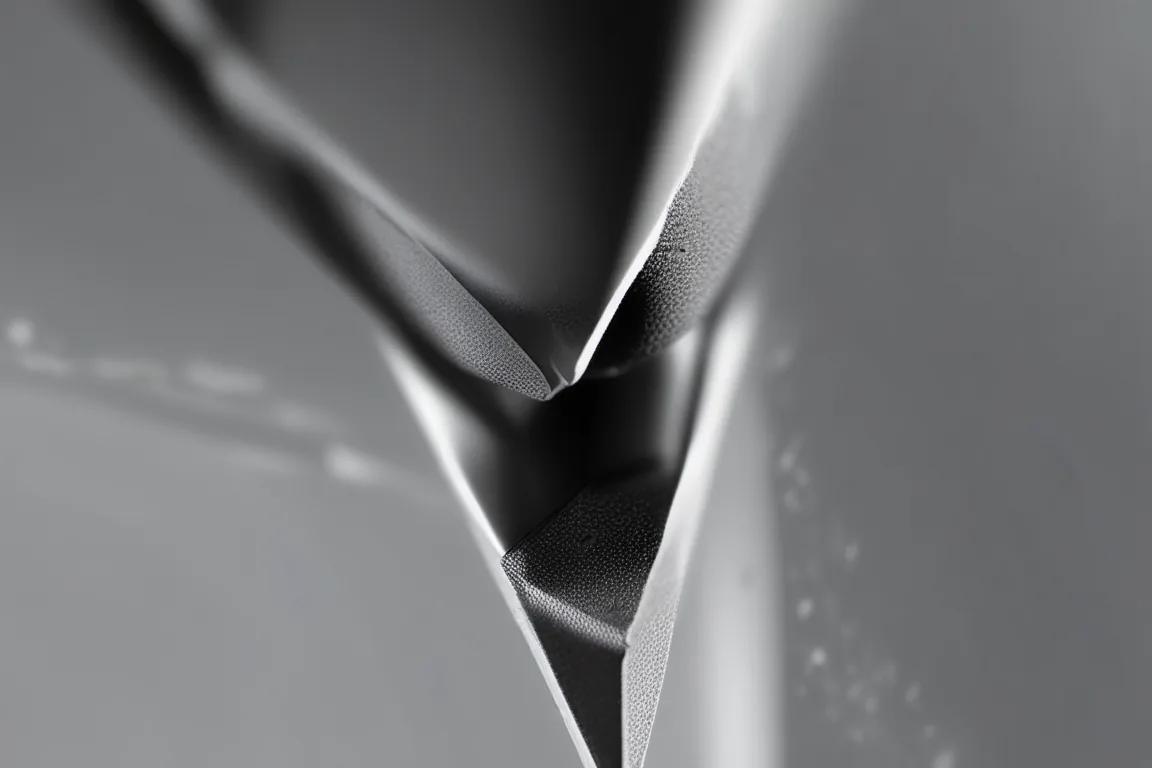
A positive rake angle reduces cutting force and heat, which is crucial for machining soft materials efficiently. This minimizes wear on the cutting edge while maintaining high chip removal rates. However, it leaves less material behind the edge compared to a negative rake, potentially affecting durability in harder workpieces. Carbide drills with an 118-degree point angle balance these trade-offs by providing optimal performance across various applications. For soft materials like carbon steel and alloy steel, this geometry ensures smooth chip formation and extended tool life without excessive cutting forces.
What this geometry controls
A positive rake angle reduces cutting forces during machining by displacing chip flow away from the workpiece. This displacement decreases friction between the tool and material, reducing heat generation significantly. Reduced heat helps maintain carbide's hardness at higher temperatures, preserving its durability in continuous operations. Carbide remains effective despite high cutting speeds that would wear softer materials quickly.
A negative rake angle strengthens the cutting edge by increasing contact with the workpiece, enhancing resistance to breakage under heavy loads. This geometry is crucial when machining hard alloys and steels, ensuring stable chip control. Increased stability from a negative rake allows for deeper cuts without damaging the tool or workpiece surface. However, it also generates more heat due to higher friction at the cutting edge, requiring effective cooling methods.
| Specification | Value |
|---|---|
| Point angle | 118 ° |
| Carbide hardness | 89–93 HRC |
| Series diameter range | 0.13–10.3 mm |
The trade-off it brings
A positive rake angle reduces cutting forces but leaves less material behind the edge, potentially weakening durability in harder materials. This trade-off means softer metals benefit more from reduced friction and heat generation. In contrast, a negative rake angle strengthens the tool's edge for tougher jobs, increasing its lifespan in hard materials despite higher cutting forces. Higher forces require stronger machines to maintain stability during operation. Thus, selecting between positive or negative rake depends on material hardness and required durability.
For instance, drilling carbon steel often uses a lower rpm setting compared to alloy steels to manage increased forces. A compromise geometry offers balanced performance across different materials but may not excel in any single application. Manufacturers must weigh the benefits of each angle against specific machining conditions to optimize tool life and efficiency. Therefore, understanding material properties guides choosing between positive or negative rake angles for optimal results.
Where it is the right choice
For machining carbon steel with a positive rake angle, set your drill at 25000 rpm for optimal performance. Adjust feed rate to 75 mm/min and maintain vc between 100 and 180 m/min. When working on alloy steels, decrease the spindle speed to 9000 rpm for better durability. Use a feed of 100 mm/min and keep vc within the range of 70 to 130 m/min. Positive rake angles are ideal for soft materials like carbon steel due to reduced cutting forces and heat generation.
This geometry minimizes wear on the cutting edge during machining operations. For harder alloys, lower speeds prevent excessive stress on the drill bit. Higher feed rates help maintain chip control in both material types. Adjusting these parameters ensures efficient and durable drilling performance.
Where it is misapplied
Using a negative rake angle on soft materials increases cutting forces and generates more heat, which can damage the tool faster than intended. A positive rake is less durable for hard materials due to reduced material behind the edge, making it prone to chipping or breaking during heavy cuts. Adjusting feed rates too high with a positive rake in carbon steel can lead to excessive wear on the cutting edges, reducing overall lifespan prematurely.
Setting spindle speeds too low when using a negative rake on softer metals like aluminum can cause severe friction and heat buildup, accelerating tool wear. For hard materials such as alloy steels, maintaining a negative rake ensures edge strength but requires careful control of both feed rate and cutting speed to prevent breakage.
Frequently asked
What is the right rake angle for drilling soft materials?
Positive rake angles reduce cutting forces and generate less heat, making them ideal for soft materials like carbon steel. However, they leave more material behind the edge compared to negative rakes.
Why use a negative rake when drilling hard materials?
Negative rake angles provide strength and durability at the cutting edge, making them suitable for hard materials such as alloy steels where edge wear is a concern.
What are the standard dimensions for DC826 carbide drills?
DC826 series carbide drills have an 118-degree point angle. They range from \(0.13\) to \(10.3\) mm in diameter and come uncoated, suitable for drilling various steels at specified speeds and feeds.