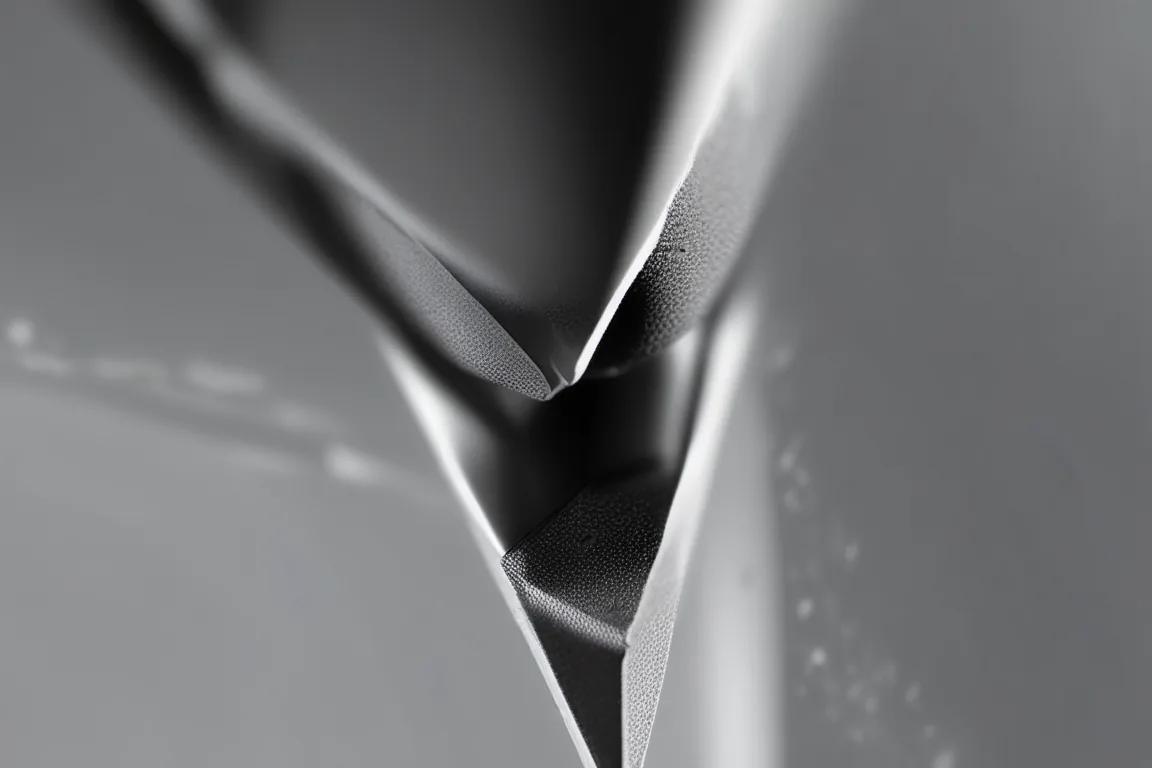
The step drill geometry ensures a smooth transition between 2 diameters with one pass, reducing setup time and improving efficiency for precision work. A shorter step length and adequate relief angle prevent rubbing against the material during cutting, enhancing surface finish quality. This design is critical in applications where hole enlargement or counterboring is required without disturbing previous operations. The DCS326 series features a range from 0.205 mm to 8 mm, ideal for various materials needing precise diameter changes. HDCS636 offers a narrower but equally effective range of 0.43 mm to 3 mm, with TiN coating for wear resistance and durability.
What this geometry controls
The step drill geometry controls the cutting action at both smaller and larger diameters simultaneously. This geometry requires a specific length for each diameter change, ensuring proper clearance during machining. The relief angle behind the stepped area prevents rubbing against the workpiece material. A shorter step length reduces friction but may limit chip evacuation efficiency. Properly designed steps ensure consistent tool life and surface finish quality.
The hardness of carbide used in these tools ranges from 89 to 93 HRC, providing exceptional wear resistance during operation. The coating on HDCS636 models is TiN, enhancing lubricity and reducing heat generation at higher cutting speeds. Uncoated DCS326 models offer a simpler design for basic operations requiring minimal surface finish demands. Each step diameter range spans from 0.433 to 3 mm for HDCS636, and up to 8 mm for DCS326. These parameters determine the tool's effectiveness in various material removal tasks.
| Specification | Value |
|---|---|
| Diameter | 0.5 mm |
| Diameter | 3 mm |
| Carbide hardness | 89–93 HRC |
| Series diameter range | 0.433–3 mm |
The trade-off it brings
The step drill geometry increases cutting efficiency by combining both smaller and larger diameter cuts in a single pass. This design allows for faster production rates compared to separate operations. However, it demands precise control of the tool's length at each diameter change. The shorter length of the 0.5 mm section ensures optimal clearance and chip evacuation. Conversely, the longer 3 mm step facilitates stable cutting with reduced risk of vibration.
The trade-off involves a compromise in overall tool rigidity due to varying step lengths. This can lead to increased wear on the smaller diameter portion during extended use. To mitigate this, maintaining appropriate feed rates is crucial for both diameters. Additionally, operators must ensure proper coolant application across all sections for optimal performance. Regular inspection and adjustment of setup parameters enhance the longevity of the tool geometry.
Where it is the right choice
Carbide step drills with hardness ranging from 89 to 93 HRC are ideal for precision work requiring quick diameter changes. They excel when cutting through materials that demand high wear resistance and durability, such as hardened steels or heat-treated metals. The geometry of these tools, featuring a precise transition between diameters like 0.5 mm and 3 mm, ensures clean cuts without rubbing. This design minimizes the need for adjustments during setup, making them suitable for production environments where efficiency is critical. Step drills from DCS326 and HDCS636 series offer reliable performance in operations needing accurate transitions between different hole sizes.
Carbide hardness allows these tools to maintain edge sharpness longer than steel counterparts, reducing tool change frequency and downtime. The specific step length and relief angle behind the transition facilitate smooth entry into the material at larger diameters, enhancing cutting efficiency. These characteristics make them particularly useful in applications where precision is paramount and frequent diameter changes are necessary. Counterboring operations benefit from this geometry as it allows for precise sizing of clearance holes without compromising surface finish quality. Overall, these step drills provide a reliable solution for efficient and accurate machining tasks across various industries requiring high precision.
Where it is misapplied
Step drills should not be used for deep holes where excessive length weakens their structural integrity. This can lead to breakage during cutting operations. The step length must match the diameter change, ensuring clearance without rubbing against the workpiece surface. If the step is too long or short, performance deteriorates quickly. Using a step drill in materials that are extremely hard or brittle risks damaging both tool and workpiece.
These drills perform right on softer metals and non-metals. Counterbore operations require a specific sequence where the pilot hole precedes the larger diameter cut. Misapplying this order can cause poor surface finish and chatter marks. Do not use step drills for interrupted cuts, as these tools are designed for continuous cutting. Interrupted cuts reduce tool life significantly due to increased stress concentration areas.
Frequently asked
What is step drill geometry?
Step drills have a stepped diameter that allows for one-pass transitions from smaller to larger diameters. The length of the step and its relief angle determine whether the cut is clean or causes rubbing, affecting tool life and finish quality.
How does carbide hardness affect step drilling performance?
Carbide's high hardness range of 89–93 HRC makes it ideal for precise cutting without wear, ensuring longevity in step drilling applications. This hardness supports smooth transitions between steps, reducing friction and extending tool lifespan.
Which DCS series is better for larger diameter cuts?
The DCS326 series offers a wider diameter range of up to 8 mm compared to the HDCS636's maximum of 3 mm, making it suitable for applications requiring larger step transitions in counterboring and drilling operations.