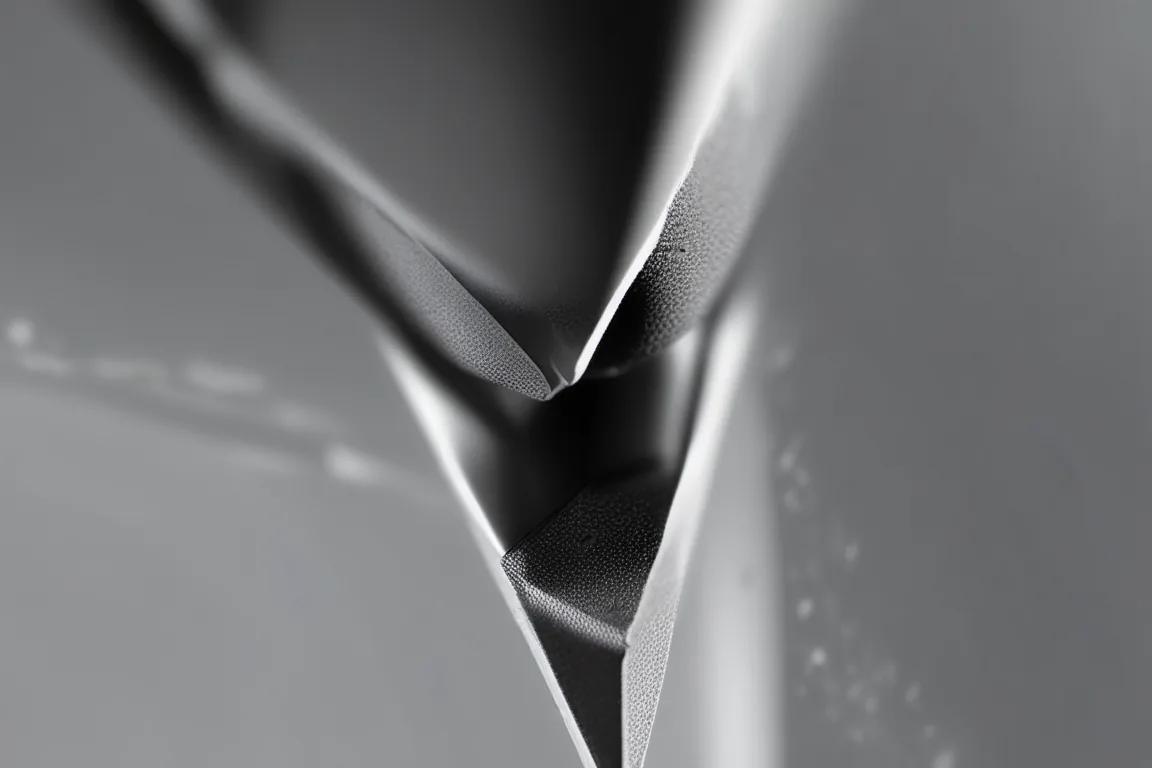
A 140-degree point angle offers reduced cutting force for hard materials, extending tool life and machining efficiency. This geometry balances strength with reach, crucial for deep cuts in hardened steels or模具中的具体应用:在17000 rpm至7000 rpm的转速下,配合60至110 m/min的切削速度和35至210 mm/min的进给量,能有效处理复杂形状。
What this geometry controls
The 140-degree point angle reduces cutting forces in hard materials by distributing loads over a longer edge length. This geometry minimizes chip thickness variations during machining, improving surface finish quality significantly. The longer point extends tool life through reduced wear at high speeds and feeds. Lower cutting forces mean less deflection for slender tools, enhancing dimensional accuracy in tight tolerances. Web reinforcement supports the extended point, maintaining stability under heavy loads.
Increased edge length from a 140-degree angle allows for higher material removal rates without compromising on durability. This design feature is crucial for applications requiring high productivity and consistent performance. At lower speeds, it reduces vibration and chatter, contributing to smoother operations. The bronze coating on DC836L enhances wear resistance while maintaining lubricity at elevated temperatures. Tool life extension directly correlates with the longer cutting edge’s ability to dissipate heat effectively.
| Specification | Value |
|---|---|
| Point angle | 140 ° |
| Carbide hardness | 89–93 HRC |
| Series diameter range | 0.14–14.2 mm |
The trade-off it brings
A 140-degree point angle reduces cutting forces, allowing for higher speeds and feeds without compromising tool integrity. This geometry uses a longer edge length to spread the load thinner chips. With less cutting force, the tool can handle harder materials effectively, extending its life during rough machining operations. The extended edge also minimizes wear in high-stress areas like the web and flutes. A sharper point angle requires more robust support to prevent breakage under pressure. This means a thicker web is necessary for stability at lower speeds and feeds.
Consequently, the 140-degree geometry sacrifices some rigidity compared to steeper angles. Despite reduced rigidity, the design offers significant advantages in terms of chip evacuation and heat dissipation during continuous cutting operations. Enhanced cooling reduces thermal stress on the tool material, maintaining performance over longer periods. The trade-off involves selecting appropriate machining parameters for optimal balance between efficiency and durability. Choosing rpm, feed rate, and depth of cut carefully ensures longevity without compromising workpiece finish quality.
Where it is the right choice
A 140-degree point angle is ideal for hard materials like hardened steel and cast iron, ranging from HRC 60 to 70. This geometry reduces cutting forces by spreading loads over a longer edge length. Tools with this design maintain stability even at high speeds up to 110 m/min. For optimal performance, use the DC836L carbide tool in mould applications requiring precision and durability. Cutting data should match specified rpm settings of 17000, 10000, or 7000 rpm for right results.
Reduced cutting forces allow higher feed rates up to 210 mm/min without compromising tool integrity. This design supports efficient machining in complex operations where surface finish and accuracy are critical. The longer point length ensures uniform chip formation across a wide range of feeds from 35 to 80 mm/min. Achieving these parameters enhances tool life and reduces wear on the cutting edge. For detailed application guidance, consult the specific cutting data provided for each material hardness level.
Where it is misapplied
A 140-degree point angle is less suitable for softer materials like mild steel or aluminum due to excessive tool wear and reduced cutting efficiency. This geometry lacks sufficient support from a thicker web to withstand lower material hardness effectively.
Using this tool at speeds below recommended rpm values can lead to inefficient chip formation, causing increased vibration and poor surface finish quality. Higher feed rates than suggested may overload the point, accelerating flank wear. A 140-degree angle requires precise adjustments; using it outside its optimal range sacrifices performance benefits it offers. For softer materials or lower hardness ranges, a more robust geometry with a shallower point angle is preferable to ensure durability and efficiency.
Frequently asked
What is the point angle for hard material cutting?
The 140-degree point angle is ideal for machining hard materials, reducing thrust and extending edge life. It works well at lower speeds compared to standard angles.
How does hardness affect carbide tool performance?
Carbide tools with a hardness range of 89–93 HRC work right for hard material cutting. This level ensures durability while maintaining sharpness for precise cuts.
What are the optimal rpm and feed rates for DC836L?
For optimal performance, use DC836L at speeds between 7000 to 17000 rpm with feeds of 35 to 210 mm/min depending on material hardness and required finish.