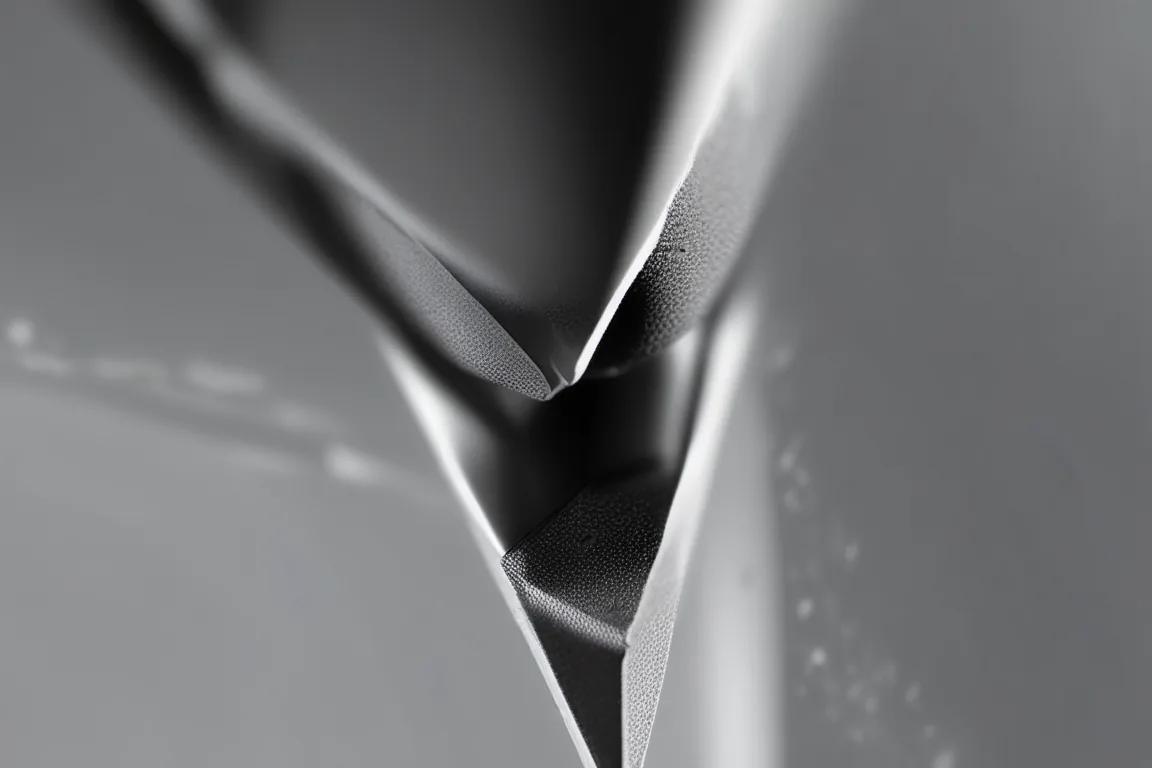
A 118-degree point on DC426 tools focuses thrust and rubs before cutting, work-hardening stainless steel surfaces. This concentration makes subsequent cutting more difficult for carbide at HRC 89–93. A steeper point angle changes how the tool interacts with material, reducing initial surface hardening. By altering contact mechanics, steeper points enable smoother entry into tough materials like hardened stainless steels. Thus, a sharper point improves overall machining efficiency and durability under high pressure and low speeds.
What happens in the cut
A blunt point on DC426 tools causes more rubbing before cutting, increasing friction between tool and workpiece surface. This initial contact applies high pressure, causing localized deformation in stainless steel. Localized deformation leads to a thin layer of hardened material near the surface. Hardened surface makes subsequent cutting harder for the same force applied. Thinner layers require higher feed rates or lower speeds for effective machining. A steeper point angle changes how forces distribute during cutting.
Smaller contact area reduces rubbing, decreasing initial work hardening. Reduced rubbing means less wear on the tool’s cutting edge over time. Lower work-hardened surface layer allows easier penetration and chip formation. Easier cutting results in longer tool life and better surface finish quality. Adjusting feed rate and speed optimizes machining parameters for consistent performance.
| Specification | Value |
|---|---|
| Point angle | 118 ° |
| Carbide hardness | 89–93 HRC |
| Series diameter range | 0.04–3 mm |
Why it looks like something else
A steeper point angle on DC426 tools changes how thrust is distributed along the cutting edge. This distribution reduces initial surface rubbing and work hardening at the entry point. The reduced work-hardening allows a steeper geometry to cut stainless steel with less friction, maintaining a consistent chip thickness and reducing heat generation. Cutting forces are more evenly spread across the tool face. A sharper angle diverts thrust away from the principal edge, minimizing contact before cutting begins.
This minimizes surface damage and extends tool life during stainless steel operations. The result is smoother chip formation and better surface finish. The geometry adjustment also affects chip control and evacuation, preventing built-up edges and reducing wear on the flank. Better chip control means less chance of re-cutting work-hardened material. Thus, a steeper point angle improves overall machining efficiency in stainless steels.
The real cause
The blunt point on DC426 tools causes excessive rubbing before cutting begins, increasing friction at the tool surface interface. This initial contact creates heat that work-hardens the stainless steel surface prematurely. As a result, the carbide edge faces increased resistance when it starts to cut into the hardened material. The higher hardness of this surface layer means the carbide must remove harder metal, which leads to faster wear on the cutting edge. Consequently, the tool’s service life decreases due to accelerated abrasion and chipping at the point. The 118-degree point angle concentrates thrust along a smaller area of the cutting edge compared to steeper angles.
This concentration leads to more localized heat generation and friction during non-cutting contact phases. The work-hardened layer formed by this rubbing increases the cutting forces required for subsequent operations, contributing to tool deflection and vibration. A steeper point angle distributes thrust over a longer portion of the cutting edge, reducing peak pressures at any single point along it. This distribution minimizes initial surface friction, preventing excessive work hardening and allowing smoother entry into the material. Thus, tools with a steeper point angle maintain better stability and efficiency during machining operations on stainless steel.
The fix
A steeper point angle on DC426 tools reduces initial contact and rubbing between tool and workpiece surface. This change minimizes friction before cutting starts. The material's hardness at 89–93 HRC remains unchanged, but a steeper point shifts thrust along the cutting edge. This altered distribution helps prevent excessive wear and improves durability during machining operations. A blunt point on DC426 tools hides issues by allowing more rubbing initially without changing tool geometry.
This approach only delays problems rather than solving them effectively. Increased initial friction with a blunt point can work-harden stainless steel surfaces, making subsequent cutting harder. A steeper point angle prevents this premature hardening and maintains material consistency. While adjusting feed rates or spindle speeds may seem like solutions, they do not address the root cause of excessive rubbing. Using a tool with a steeper point angle directly mitigates initial surface contact issues.
Frequently asked
Why does my carbide tool for stainless steel have an 118-degree point?
A blunt 118° point focuses thrust and rubs before cutting, work-hardening the surface it must then penetrate. This geometry changes how the tool cuts rather than altering its hardness range (HRC 89–93).
What are the recommended speeds for DC426 carbide tools on stainless steel?
For DC426 tools in stainless steel, use rpm settings of 15000, 7000, or 5000 depending on material condition. Feed at 30 mm/min to 150 mm/min and maintain vc between 60 to 120 m/min for optimal performance.
What is the diameter range for DC426 carbide tools?
DC426 series tools have a diameter range from 0.04 mm to 3 mm, suitable for various cutting applications in stainless steel and other materials requiring precise machining.