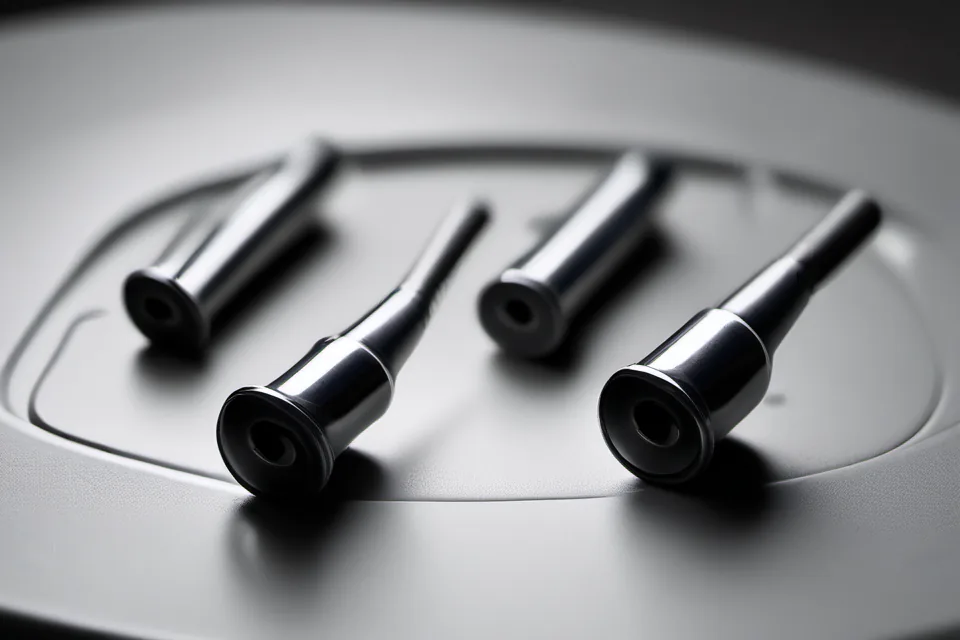
A long micro drill bends easily under side load, causing inaccurate holes and uneven cutting edges. Harder carbide reduces wear but does not prevent deflection. A shorter stick-out length minimizes bending for better accuracy and hole quality. Using a precision collet also helps maintain alignment at the tip of the tool. Proper setup prevents walking of the drill bit, ensuring consistent performance during machining operations.
The symptom as it appears
The drill wanders off course when cutting sideways forces push the tool away from the intended path. This results in holes that are oval-shaped rather than perfectly round. The cutting edge shows signs of wear on one side more than the other, indicating uneven loading. Runout increases at the tip compared to the holder due to the long length and small diameter ratio. Observing the drill, you notice bending along its entire length as it cuts into the material.
A visual inspection reveals marks on the workpiece surface where the tool deviated from a straight path. The cutting edges of the drill exhibit signs of wear and damage, particularly at one end due to uneven loading. The drill’s small diameter means even slight side loads cause significant deflection. Using a precision collet can improve stability but does not eliminate bending entirely under heavy side forces. Proper alignment and minimizing overhang also help maintain straighter cutting paths.
| Specification | Value |
|---|---|
| Shank diameter | 3.17 mm |
| Diameter | 0.1 mm |
| Carbide hardness | 89–93 HRC |
What can produce that symptom
A long micro drill bends easily under side load, causing inaccurate holes and uneven cutting edges. Hardness increases wear resistance but does not affect bending stiffness. A smaller diameter tool deflects more than a thicker one for the same force. Deflection magnifies at the tip compared to the shank due to the unsupported length. Shorter stick-out reduces bend while a precision collet improves runout accuracy.
Side loads cause the drill to deviate from its intended path, resulting in oval-shaped holes rather than round ones. A tougher coating may resist wear better but does not influence tool deflection under lateral forces. The geometry of the DC326L limits bending stiffness because it has a 0.1 mm diameter and a 3.17 mm shank diameter. Using a drill with these specifications requires careful consideration to minimize side loading effects. Proper setup, including clamping, is crucial for maintaining hole accuracy in such applications.
The order to check things
When troubleshooting a bending micro drill, start with holder alignment and clamping tightness first. Loose or misaligned holders allow excessive runout at the cutting tip. A precision collet grips the shank more securely, reducing unwanted movement.
Check the stick-out length next; shorter lengths offer better rigidity against side loads. Excessive deflection can cause wear on the drill’s edges and produce inaccurate holes. After these mechanical adjustments, consider material properties like hardness for further improvements.
Confirming the cause before changing anything
To confirm deflection as the issue, measure runout at the holder and tip of the drill separately. High runout at the tip indicates excessive bending during cutting operations. Compare measurements with a precision collet to see reduced runout and better stability. Tightening the clamping mechanism also decreases side loads on the tool. Shorter stick-out length further minimizes deflection, improving hole accuracy.
Avoid changing coatings or material hardness initially since these do not directly address bending issues. A tougher coating may improve wear resistance but does not prevent lateral movement under load. Testing with a shorter drill length can provide insights into how much runout affects cutting quality without altering other parameters. This approach isolates deflection as the primary cause of inaccurate drilling. Once confirmed, implement adjustments in holder and clamping to address bending effectively.
Frequently asked
Why does my long micro drill bend during cutting?
Deflection occurs due to side loads, causing the hole to wander and uneven cuts. Shortening stick-out length and using precision collets reduce bending more effectively than tougher coatings.
How can I prevent deflection in a DC326L drill?
Reduce deflection by minimizing stick-out length and securing with a high-precision collet holder. This approach minimizes runout amplification at the tip better than material hardness alone.
What causes uneven holes when using micro drills?
Uneven hole formation results from bending of long, thin drills under side loads. Shorter protrusion lengths and tight-fitting holders improve stability over harder materials or coatings.