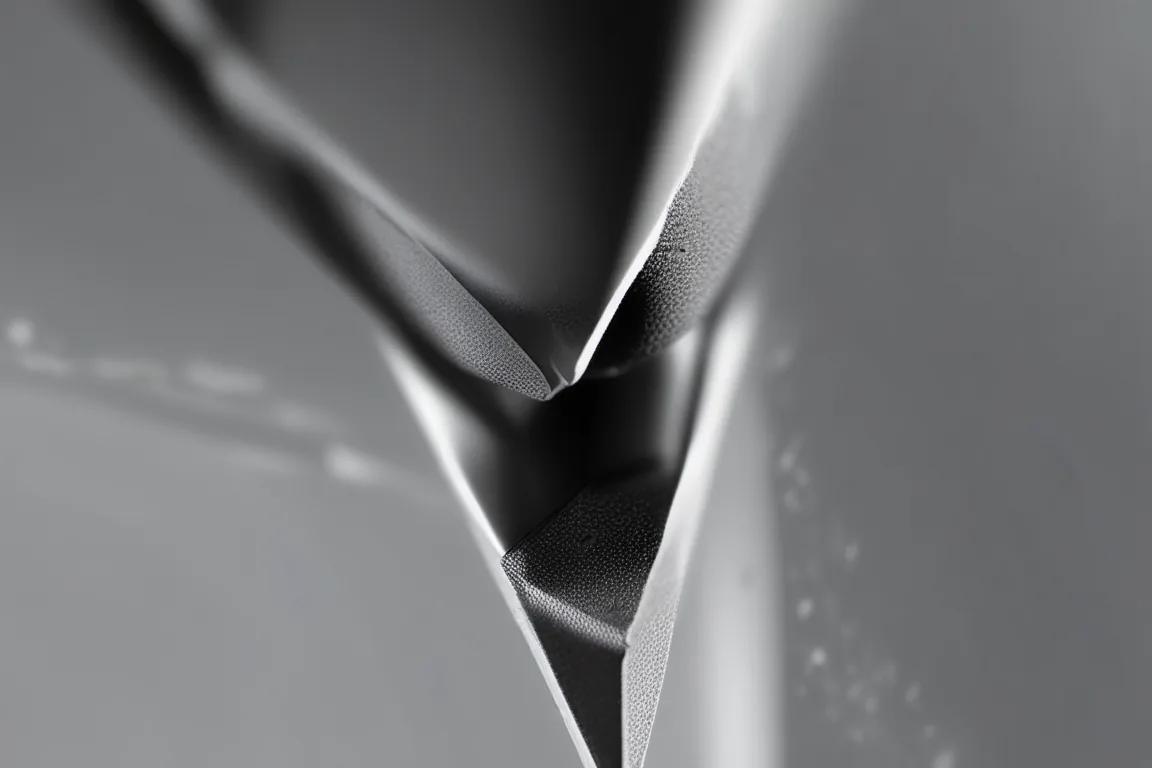
DC426L drills feature a precise back taper behind the cutting edge, reducing friction inside deep holes. This minimizes heat and wear on the drill during stainless steel machining. As depth increases, less pressure stalls or breaks the tool due to reduced contact area. The result is smoother drilling with extended tool life and higher productivity at high speeds up to 120 m/min. For optimal performance, use recommended spindle speeds: 15000 rpm for small diameters, dropping to 7000 rpm and then 5000 rpm as sizes increase.
What this geometry controls
The back taper on DC426L drills reduces diameter behind the cutting edge, minimizing friction inside deep holes. This geometry prevents excessive heat generation during cutting operations, extending tool life significantly. As depth increases, reduced contact area means less force is applied to the hole walls and material. The precise angle of 135 degrees ensures consistent chip formation and removal across various depths and materials. Back taper also allows for smoother withdrawal from deep holes without damaging the surface finish.
Carbide hardness in the range of 89–93 HRC provides excellent wear resistance against high temperatures and pressures encountered during drilling operations. This material property maintains cutting edge sharpness, ensuring efficient chip evacuation and reduced power consumption. The geometry design accommodates variable feed rates from 30 mm/min to 150 mm/min for different hole sizes and materials. With rotation speeds ranging from 15000 rpm down to 7000 rpm, the back taper ensures steady drilling performance throughout the cut depth. Finally, maintaining a consistent cutting speed between 60 m/min and 120 m/min enhances overall tool durability in stainless steel applications.
| Specification | Value |
|---|---|
| Point angle | 135 ° |
| Carbide hardness | 89–93 HRC |
| Series diameter range | 0.04–3 mm |
The trade-off it brings
Back taper on DC426L drills limits cutting width at deeper points in a hole, reducing axial force compared to straight-shank tools. This decreases the risk of tool breakage during deep drilling operations. However, back taper also narrows the chip space behind the point, which can lead to increased chip congestion and poorer chip evacuation if not managed properly. For optimal performance, operators should adjust feed rates and cutting speeds based on material hardness.
Using a higher spindle speed compensates for reduced axial engagement, maintaining metal removal efficiency without compromising tool stability. Lowering feed rates reduces frictional heat buildup but may increase cycle times. Balancing these parameters ensures reliable drilling in deep holes while maximizing tool life and productivity.
Where it is the right choice
DC426L drills work right for deep holes in hard materials like stainless steel due to their high hardness range from 89 to 93 HRC. This material allows DC426L drills to maintain cutting edge sharpness during operations at speeds of 15000 rpm down to 7000 rpm and feed rates from 30 mm/min up to 150 mm/min. The precise back taper geometry minimizes friction in deep holes, reducing wear on the drill even under high axial forces.
This design also helps maintain consistent chip formation and evacuation at various cutting depths and speeds between 60 m/min and 120 m/min. In applications requiring extended drilling depth without stalling or breaking, DC426L drills provide a reliable solution due to their optimized back taper geometry.
Where it is misapplied
Using DC426L drills for shallow holes wastes the back taper geometry designed for deep cutting. Shallow applications offer no benefit from reduced friction. Axial forces remain high near the entry point, risking premature wear or breakage at surface levels. Proper use maximizes the tool’s efficiency and longevity in deep operations only. Choosing DC426L drills for softer materials undercuts their hardness advantage.
The 89 to 93 HRC range excels in hard stainless steel but provides no extra benefit in softer metals. Lower cutting speeds below 60 m/min reduce the effectiveness of back taper’s heat management properties. Higher speeds are crucial for maintaining proper chip control and minimizing friction. Ignoring the recommended rpm settings, such as 15000 to 7000 rpm, can lead to inconsistent performance and reduced tool life. Adhering to these parameters ensures optimal cutting conditions and stability.
Frequently asked
What is back taper on a deep-hole drill?
Back taper reduces friction by decreasing the diameter behind the point, allowing deeper drilling without stalling or breaking.
How does the DC426L series compare in terms of hardness?
The DC426L has carbide hardness ranging from 89 to 93 HRC, making it suitable for tough materials like stainless steel at high speeds and feeds.
What rpm should I use with a DC426L drill?
Use the DC426L series with rpm settings between 15000 for light cuts down to 7000 or 5000 for deeper holes, ensuring optimal performance without overheating.