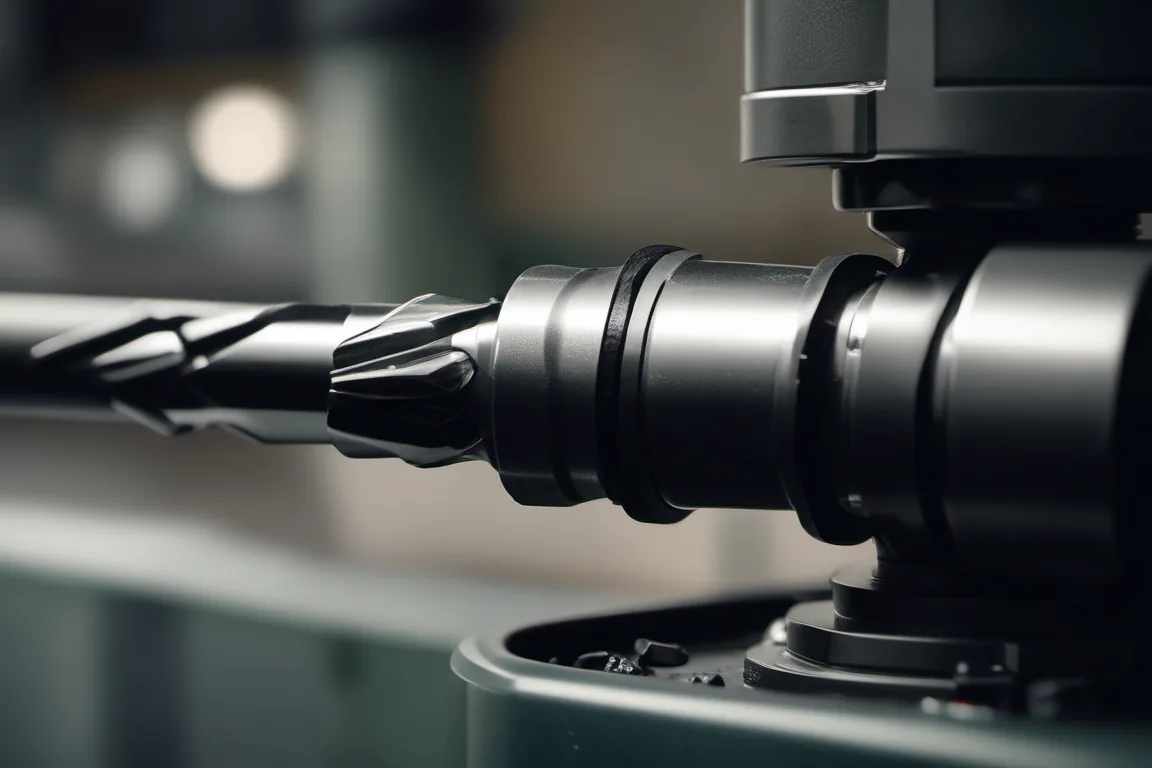
Carbide drills can be reground multiple times, extending their life and reducing costs. Each regrind removes material from the drill point, changing its geometry and effectiveness. Drill diameter affects regrind frequency; smaller drills reach the end of usable life sooner than larger ones. This matters because frequent replacement impacts productivity and increases expenses for manufacturers.
The variable and the range it can take
Carbide drill hardness ranges from 89 HRC to 93 HRC, ensuring durability and resistance against wear over multiple regrounds. Each regrind reduces the tool's point length and alters flute geometry near the tip, affecting cutting performance. Smaller drills reach their end-of-life sooner than larger ones due to this effect. Drills in series DC426 cover diameters from 0.04 mm to 3 mm with a black coating.
Recommended operating speeds for carbon steel drilling range between 25000 rpm and 18000 rpm, depending on the workpiece thickness. Feed rates vary widely to accommodate different material hardnesses and required surface finishes. For micro-drilling operations, feed per tooth ranges from 0.005 mm to 0.02 mm, ensuring precise hole formation without damaging the workpiece.
| Specification | Value |
|---|---|
| Point angle | 118 ° |
| Carbide hardness | 89–93 HRC |
| Series diameter range | 0.04–3 mm |
What it changes in the cut
Regrinding a carbide drill reduces its point length, altering flute geometry near the tip. This change increases cutting forces as less material supports the tool's body. Higher forces lead to more friction and heat generation at lower depths of cut. As regrinds progress, temperatures rise significantly during drilling operations. Increased temperature accelerates wear on the drill’s surface coating.
Chip thickness varies with each regrind due to altered flute geometry and reduced point angle. Thinner chips require finer adjustments in cutting parameters for optimal performance. Changes in chip morphology may cause inconsistent machining results if not properly managed. Adjusting feed rates can help maintain consistent chip control throughout a tool's life cycle. Properly managing chip thickness ensures better surface finish quality after drilling operations.
Where the limit comes from
Carbide drill regrounding limits come from reduced point length and altered flute geometry, increasing cutting forces near the tip. This alteration affects chip control and tool stability during machining operations. As fewer flutes support material removal, wear accelerates, shortening effective tool life. Machine rigidity also plays a role; less rigid setups struggle to maintain tolerances with reground drills. Workpiece hardness impacts durability too, as softer materials cause more friction per cut.
Drill diameter affects the limit differently due to surface area changes relative to volume. Smaller tools lose point angle quicker upon regrinding than larger ones do. Reduced flutes mean less material support for cutting forces in small diameters. This leads to faster wear and reduced precision in smaller carbide drills. Manufacturers recommend specific reground use based on these factors to optimize tool life.
Setting it in practice
Setting a carbide drill in practice involves selecting an appropriate initial cutting speed based on material hardness. For carbon steel, use speeds from 25000 rpm down to 15000 rpm depending on tool size. Common materials like mild steel or stainless steel require adjustments within the range of 180 m/min for optimal performance. During setup, ensure that feed rates match material type and hardness; finer feeds at lower mm/tooth values suit harder materials better. Adjust cutting parameters gradually during machining to maintain optimal drilling conditions.
The first hole drilled after regrinding reveals potential issues early on. Examine the exit surface for signs of excessive wear or chatter marks indicating inadequate settings. Verify that the drill diameter matches specifications, as reduced point length affects cutting accuracy. Monitor torque and power consumption; increased values suggest higher forces due to altered flute geometry near the tip. Regular inspection helps identify when a tool is nearing its reground limit, signaling the need for replacement or further adjustment before significant wear occurs.
Frequently asked
How many times can I regrind my carbide drill?
Each regrind reduces the point length and alters the flute geometry near the tip, affecting performance. Small drills reach their limit faster than larger ones due to this change.
What is the maximum recommended number of regrounds for a DC426 drill?
The number of regrounds depends on usage conditions but generally, each regrind impacts cutting diameter and efficiency. Monitor tool wear closely to determine optimal regrinding frequency.
Can you specify the exact HRC hardness range for carbide drills?
Carbide drills have a hardness range between 89 to 93 HRC, ensuring durability and resistance against wear during machining operations.