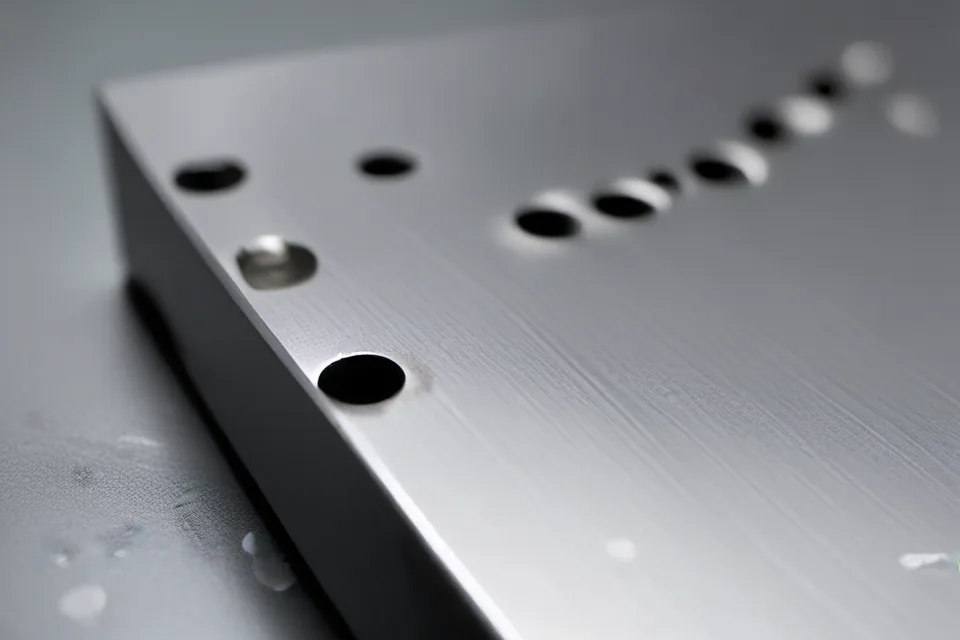
Running titanium at lower speeds increases tool life because heat accumulates at the cutting edge due to titanium's poor conductivity. Reducing speed prevents overheating, which is critical since carbide hardness ranges from 89 to 93 HRC and cannot withstand excessive temperatures. Slower feed rates of 20 mm/min for finer work or up to 80 mm/min for more aggressive cuts maintain a stable temperature without compromising precision. The optimal point angle of 135 degrees on DC426L tools ensures efficient chip evacuation, reducing the risk of heat build-up during cutting operations. By adhering to these parameters, users can extend tool life and achieve consistent results in titanium machining applications.
The variable and the range it can take
Carbide hardness is a key factor in tool performance for titanium cutting. It ranges from 89 HRC to 93 HRC, providing excellent wear resistance. Tool geometry significantly influences heat distribution during machining. A point angle of 135 degrees helps manage high temperatures effectively by concentrating the cutting force at the tip. Lower speeds when machining titanium extend tool life due to reduced edge temperature buildup.
The recommended spindle speed range is 3000 rpm to 6000 rpm, with an upper limit of 10000 rpm for certain applications. The feed rate also varies based on material hardness and cutting conditions. For titanium, the suggested feed rates are 20 mm/min to 40 mm/min, extending up to 80 mm/min for less demanding tasks. Depth of cut impacts wear rate and edge durability. Typical values range from 0.1 mm to 0.5 mm for general applications, with micro cutting depths as low as 0.01 mm to 0.05 mm for precision work.
| Specification | Value |
|---|---|
| Point angle | 135 ° |
| Carbide hardness | 89–93 HRC |
| Series diameter range | 0.04–3 mm |
What it changes in the cut
Reducing titanium cutting speed lowers edge temperature by allowing more time for heat dissipation. This prevents thermal shock and wear, extending tool life significantly. At slower speeds, the force on the carbide is reduced because less energy is transferred in each rotation. The chip thickness decreases as well, from 0.1 to 0.5 mm at lower rpm settings. With less frictional heat generation, cutting temperatures stay below harmful levels even with high hardness materials like titanium.
This ensures the integrity of the tool geometry remains intact throughout the operation. The reduced feed rate and spindle speed also decrease chip thickness variation, which leads to more consistent chips that are easier to manage in production environments. Smaller chips facilitate better coolant application, improving heat removal efficiency further. Lower cutting speeds mean less mechanical stress on the carbide, allowing it to maintain its hardness for longer periods during titanium machining operations. This durability ensures reliable performance and reduced downtime due to tool replacement.
Where the limit comes from
The cutting speed limit for titanium arises from heat accumulation at the tool edge rather than the workpiece or machine limitations. Titanium's low thermal conductivity means most heat stays near the cutting zone instead of spreading out. Carbide tools with hardness between 89 HRC and 93 HRC resist wear well but still reach high temperatures during titanium machining. Lower speeds extend tool life by allowing more time for heat to dissipate from the edge.
Feed rates affect temperature rise; slower feeds reduce friction, lowering heat generation at the cutting interface. Machine power output does not typically limit titanium cutting speed because most machines have sufficient torque and rigidity. The geometry of the tool—such as a 135-degree point angle—impacts chip formation and evacuation but does not set the speed limit directly. Proper coolant application helps manage temperature, further supporting lower-speed operations for longer tool life.
Setting it in practice
Set titanium cutting parameters carefully for your first hole. Start with lower speeds around 3000 rpm and gradually increase up to 6000 rpm as needed. Feed rates should begin at 20 mm/min, then adjust up to 40 mm/min based on the material's response. Monitor edge wear closely; titanium’s low thermal conductivity means heat accumulates quickly, affecting tool life. Use a point angle of 135 degrees for optimal cutting efficiency in titanium.
Check chip formation and workpiece surface finish in initial holes. Adjust speeds up to 80 m/min if conditions permit, ensuring proper chip control remains consistent. Keep axial depth within 0.1 mm to 0.5 mm, depending on the part tolerance requirements. Smaller radial depths of cut around 0.1 mm improve heat dissipation and reduce tool stress. Regularly inspect for signs of excessive wear or damage to ensure long-term productivity.
Frequently asked
Why does running titanium at lower speeds extend tool life?
Running titanium at slower speeds keeps the heat generated by cutting within the carbide's tolerance range, preventing premature wear and extending the tool’s operational lifespan.
What is the ideal point angle for machining titanium?
A 135-degree point angle geometry works well when machining titanium due to its ability to manage chip formation and control cutting forces effectively.
Can you give me an example of a suitable carbide tool part number for titanium?
The DC426L series, with hardness ranging from 89-93 HRC and coated in black, is appropriate for machining titanium. It offers durability and performance across diameter ranges from 0.04 to 3 mm.