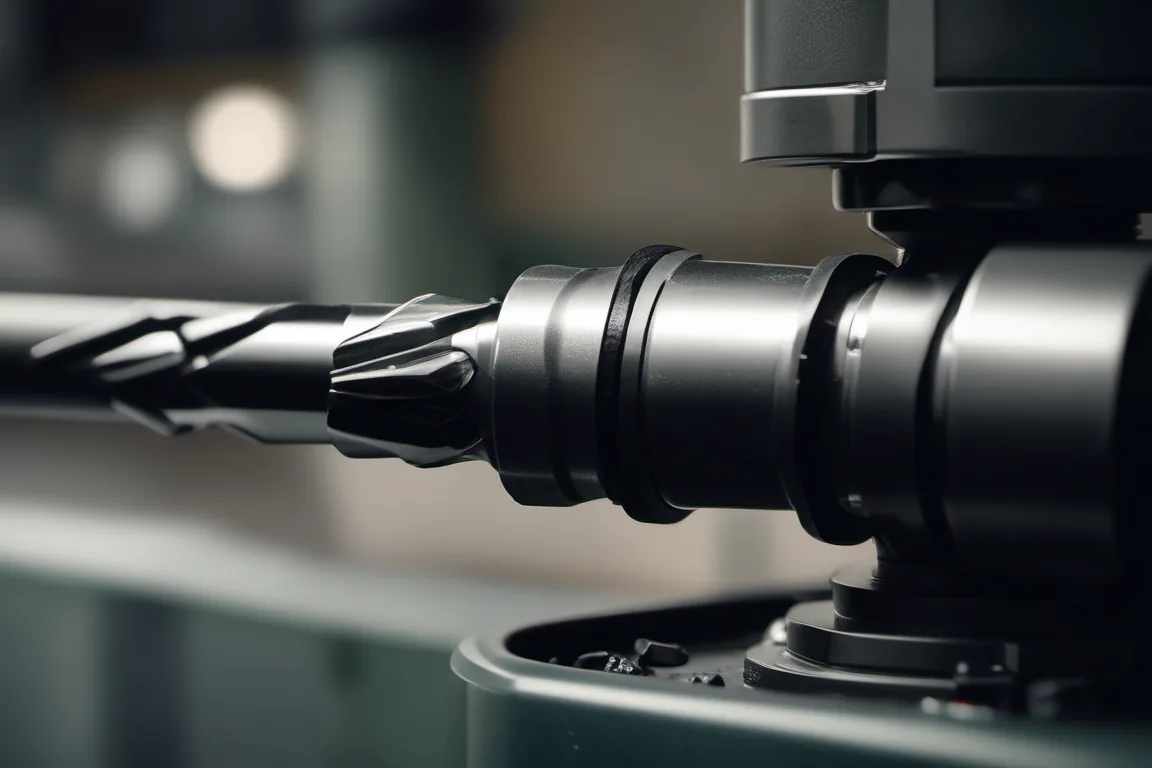
In hard materials, a light feed generates heat and wear without removing material effectively. High hardness makes the carbide tool less prone to deformation under pressure. A heavier feed ensures continuous cutting action, keeping the edge engaged below the surface layer. This prevents rubbing and maintains material removal efficiency throughout the operation. Proper engagement minimizes heat buildup and extends tool life in demanding applications. The core mechanism involves maintaining a balance between feed rate and material hardness for optimal performance. Higher feeds help to overcome friction and reduce localized heating at the cutting interface. Ensuring continuous chip formation is crucial for efficient machining operations on hard materials. Understanding this principle helps operators select appropriate parameters for effective cutting strategies. Correct parameter selection maximizes productivity while minimizing tool wear and downtime.
The variable and the range it can take
Feed is a crucial variable that influences how effectively material is removed during cutting operations. It specifies the distance the tool advances relative to the workpiece per revolution, measured in millimeters per minute (mm/min). For hard materials with carbide hardness between 89 and 93 HRC, feed must exceed certain thresholds to prevent rubbing instead of cutting. A higher feed rate keeps the cutting edge engaged below the surface, preventing excessive heat buildup. Common ranges for feed rates in these conditions are from 40 mm/min up to 270 mm/min.
Lower feed rates generate friction and can lead to thermal damage on the tool's cutting edge. This is especially true when machining materials with high hardness values. Higher feed rates ensure that the cutting action remains efficient by maintaining a continuous chip formation process. For optimal performance, feed rates should be selected based on specific material properties and geometry angles such as 140 degrees for point angle tools.
| Specification | Value |
|---|---|
| Point angle | 140 ° |
| Carbide hardness | 89–93 HRC |
| Series diameter range | 0.1–14 mm |
What it changes in the cut
A light feed in hard materials causes increased friction between the carbide tool and workpiece surface. This high contact generates significant heat, which leads to rapid wear on the cutting edge. Heat from excessive rubbing softens the material locally but does not remove it efficiently. The softened layer reforms quickly as soon as the cutter moves past, wasting effort. A heavier feed rate ensures continuous chip formation instead of mere surface abrasion. Continuous chip formation under a heavy feed removes heat more effectively through mechanical means.
This reduces overall temperature and wear on the tool edge. Effective material removal keeps the cutting zone cooler during hard machining operations. The carbide's high hardness (89–93 HRC) allows it to withstand higher forces without deforming significantly. Higher force application due to increased feed pushes the cutting edge deeper into the workpiece, ensuring it cuts rather than rubs. With optimal feed rates set for harder materials, the chip thickness remains within an efficient range. This optimal chip control prevents overheating and minimizes tool wear, extending overall tool life during machining operations.
Where the limit comes from
High hardness of carbide limits deflection and wear, allowing higher feed rates without compromising tool integrity. Carbide's high hardness range (89–93 HRC) ensures it can maintain a sharp edge under heavy cutting conditions. The 140-degree point angle geometry minimizes contact with the workpiece, reducing friction and heat generation during cutting. Machine rigidity must support higher feed rates to prevent chatter and ensure consistent chip formation in hard materials.
For optimal performance, the operator should match the spindle speed (20000 rpm / 13000 rpm / 9000 rpm) with appropriate feed settings. Workpiece material properties determine feasible cutting parameters; softer alloys require lighter feeds than harder ones for efficient machining. Tool deflection limits are narrower in hard materials, necessitating precise alignment and rigidity to handle higher feed rates effectively.
Setting it in practice
For hard material cutting, set feed rates according to the recommended values for optimal performance. Start with higher feed rates to ensure continuous chip formation and prevent workpiece heating. Monitor initial cut quality closely; adjust parameters if surface finish deteriorates or tool wear accelerates. Use DC836 for its geometry, which minimizes heat buildup during machining processes. Increase feed rate gradually until efficient chip removal is observed without damaging the carbide edge. Always maintain adequate coolant flow to prevent overheating and ensure longevity of cutting tools.
For hard material operations, select a suitable starting point within the rpm range based on workpiece diameter and hardness. Opt for higher rotational speeds to enhance surface finish while reducing machining time significantly. Adjust feed rate as needed to balance productivity with tool life expectations. Observe chip formation; ideal chips should be continuous and uniform in thickness without any signs of smearing or adhesion. Proper adjustment ensures reliable performance throughout the entire cutting operation.
Frequently asked
Why can't I use a light feed when cutting hard materials?
A light feed on hard materials causes rubbing, generating heat without removing material. Use a higher feed rate to keep the tool's edge engaged beneath the surface for effective chip removal and reduced wear.
What is the ideal feed rate for DC836 carbide tools in alloy steels?
For DC836 tools cutting alloy steels, use feeds between 40 mm/min at high speeds down to 270 mm/min at lower speeds. Higher feeds prevent rubbing and maintain efficient chip formation.
How does point angle affect feed rate for hard materials?
A 140-degree point angle on carbide tools helps maintain a sharp edge for harder materials, allowing for higher feed rates without sacrificing tool life or cutting efficiency.