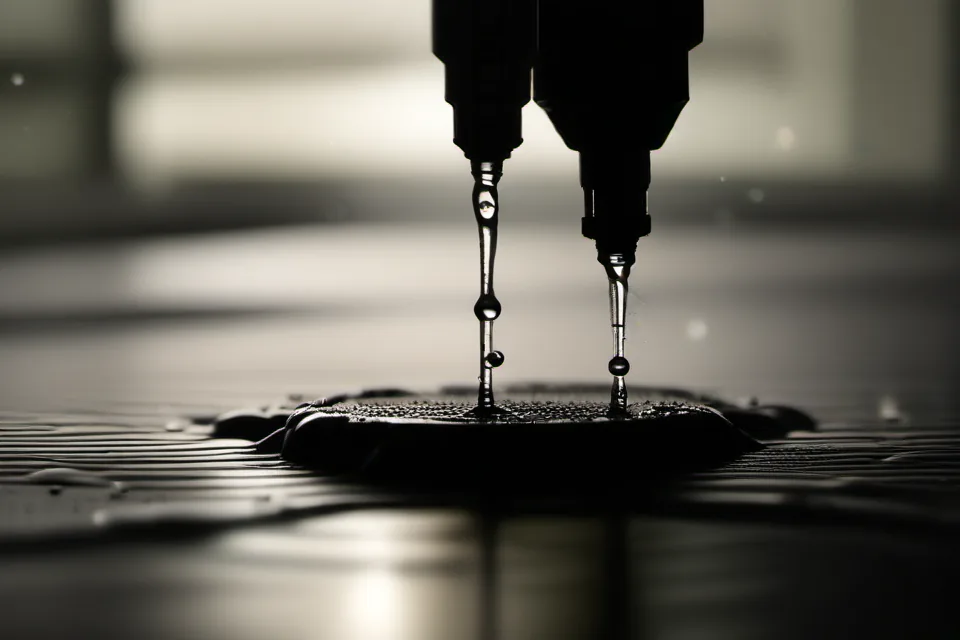
Coolant concentration affects tool performance, especially in stainless steel cutting. Too little lubrication causes galling; too much leads to foaming and poor flushing. This imbalance shortens tool life, reduces surface finish quality. Optimal balance ensures efficient chip removal, maintains low temperatures for better durability. Proper concentration is crucial for achieving consistent results in tight tolerance applications.
The variable and the range it can take
Coolant concentration varies between lean and rich solutions. A lean solution lacks lubricity for stainless steel cuts.
A rich solution can foam excessively inside small holes. Excessive foaming reduces cooling efficiency and tool life suffers.
| Specification | Value |
|---|---|
| Point angle | 135 ° |
| Carbide hardness | 89–93 HRC |
| Series diameter range | 0.04–3 mm |
What it changes in the cut
A lean coolant concentration reduces lubrication, increasing friction between the tool and workpiece during cutting operations. This higher friction raises cutting forces, which leads to accelerated wear on the carbide insert edges. Temperature rises significantly with insufficient cooling, causing thermal degradation of the cutting edge at high speeds. The elevated temperatures weaken the material structure of the tool, reducing its hardness from 89–93 HRC.
A rich coolant concentration can lead to excessive foaming, which obstructs chip evacuation and causes buildup in small holes. Chip formation becomes erratic and difficult to control with improper coolant concentration. Lean solutions result in long, stringy chips that increase the risk of tool damage or breakage. In contrast, a rich solution impedes chip removal, causing them to accumulate around the cutting area, which leads to additional stress on the insert.
Where the limit comes from
The concentration limit for coolant depends on the carbide tool's hardness range from 89 to 93 HRC. This hardness allows the tool to maintain edge integrity under high cutting forces. At a point angle of 135 degrees, optimal coolant concentration ensures that the tool cuts stainless steel without galling or foaming issues. Excessive foaming hampers effective chip removal in small holes and tight tolerances. The machine's spindle speed plays a role; at speeds ranging from 15000 to 7000 rpm, proper lubrication prevents work hardening during machining processes.
Higher spindle speeds require finer coolant control to avoid damage to the cutting edge. In contrast, feed rates between 30 and 150 mm/min influence how much coolant is needed for effective chip removal and temperature management. Lower feed rates demand more precise concentration adjustment due to slower heat dissipation. Workpiece material properties also dictate coolant requirements; stainless steel necessitates a richer mixture compared to general-purpose steels. This ensures adequate lubrication during cutting operations while preventing excessive foam formation in the work area.
Setting it in practice
A rich coolant solution can foam excessively, reducing its ability to flush chips from small holes effectively. This reduced flushing leads to heat buildup and potential tool wear faster than lean concentration does. Start with a 5 percent concentration for stainless steel workpieces, adjusting as needed based on observed chip formation and cutting stability. For common steels, begin at 3 to 4 percent concentration; this range often provides sufficient lubrication without excessive foaming issues. Always monitor the coolant flow rate through the tool’s hole; insufficient flow can cause premature wear or breakage.
Ensure that the first cut does not produce excessive chips blocking the cutting area. Adjust the coolant concentration if chips do not flush properly, indicating either too rich a solution or inadequate pressure. Check for any changes in surface finish quality as an indicator of optimal lubrication and cooling balance during machining operations. Maintain consistent tool speed within the recommended range to avoid overheating, which can lead to premature wear on carbide tools. Regularly inspect and clean coolant lines to prevent blockages that could restrict flow and affect cutting performance over time.
Frequently asked
What is the right coolant concentration for carbide tools?
The correct coolant balance prevents issues like galling and foaming. Too little coolant leads to galling on stainless steel, while too much causes foaming, reducing flushing efficiency, especially in small holes.
How does coolant affect tool life?
Properly concentrated coolant lubricates, cools, and flushes chips away from the cutting zone. This reduces wear on carbide tools and prevents overheating, extending their lifespan during machining operations.
What happens if I use too much or too little coolant?
Using insufficient coolant can cause galling on stainless steel due to high friction. Excessive coolant leads to foaming, reducing its ability to flush chips effectively, which is more problematic in small holes where chip clearance is crucial.