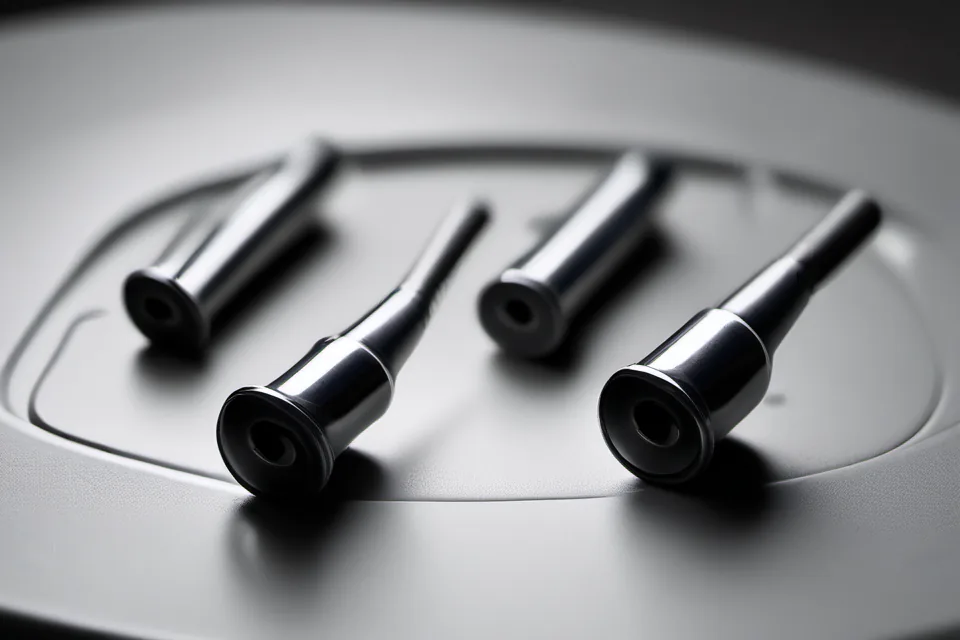
The DC426 drill bits have a hardness range from 89 to 93 HRC, ensuring durability and resistance to wear. Their 118-degree point angle optimizes cutting performance for various materials. Designed with black coating, these bits reduce friction during operation, extending tool life significantly. When the sound changes—becoming more high-pitched or erratic—it signals either rubbing against material or chatter, both precursors to failure. Recognizing this early warning helps prevent costly breakages and downtime in production lines.
The symptom as it appears
The DC426 drill bits produce a distinct sound when they start to chatter or rub against the material. Chatter creates a high-pitched squeal due to vibration between tool and workpiece. Rubbing, however, emits a lower, more abrasive screech as the bit overheats and wears quickly. Identifying these sounds early can prevent damage to both the part and the drill bit. A trained ear distinguishes slight variations in pitch and volume during cutting operations.
When the DC426 begins to chatter, it indicates insufficient rigidity or improper speed settings for the material being drilled. Rubbing occurs when feed rate is too high, causing friction that heats the tool excessively. Both conditions reduce tool life and may require adjustments like lowering rpm or feed rate. Recognizing these symptoms allows operators to make timely corrections and maintain productivity.
| Specification | Value |
|---|---|
| Point angle | 118 ° |
| Carbide hardness | 89–93 HRC |
| Series diameter range | 0.04–3 mm |
What can produce that symptom
A high-pitched squeal during drilling indicates that the drill bit is rubbing against the material or experiencing chatter. This typically happens when the cutting speed is too low for the feed rate. The DC426 bits have a geometry optimized for stainless steel, with an 118-degree point angle that minimizes vibrations at higher speeds but can still cause rub at lower settings. Chatter occurs when the drill bit oscillates from side to side due to insufficient rigidity or inappropriate cutting parameters. Adjusting the feed rate and rotational speed can prevent chatter by ensuring a stable cutting condition. For instance, increasing the RPM up to 15000 while reducing the feed rate below 45 mm/min can stabilize vibrations.
Alternatively, decreasing the RPM to 7000 with a higher feed rate of 55 mm/min might also reduce chatter. High speeds like 60 m/min combined with lower feeds under 30 mm/min often cause rubbing, which is identified by a continuous squeal. This condition signals excessive pressure on the cutting edge, which leads to rapid wear and potential breakage. Operators should stop drilling if they hear a sustained squealing sound, indicating either severe rubbing or chatter that can damage the tool quickly. Adjusting parameters before this point prevents unnecessary costs from broken tools and wasted material.
The order to check things
Check for a high-pitched squeal first when using DC426 drills, as it signals potential issues like rubbing or chatter early on. This warning sound occurs due to vibrations or friction between drill and material at inappropriate settings. Stopping drilling at this stage prevents further damage, saving time and materials compared to waiting for breakage. Review cutting parameters such as speed (rpm) and feed rate (mm/min), adjusting them if necessary for optimal performance. Refer to the manufacturer’s recommended values for stainless steel: 15000 rpm / 7000 rpm / 5000 rpm, with feeds of 30 mm/min / 45 mm/min / 55 mm/min / 150 mm/min.
Check tool condition next after addressing parameters; worn or damaged bits will not perform as expected regardless of settings. Inspect for signs of wear like chipped edges, dullness, or visible damage that could cause rubbing and squealing noises. Replace any drills showing these issues to maintain productivity and avoid costly interruptions from broken tools during production. Regular tool checks reduce the likelihood of encountering problems that require stopping operations mid-job, saving resources. Maintaining sharp condition ensures DC426 drill bits operate efficiently within their specified parameters for consistent results.
Confirming the cause before changing anything
When a high-pitched squeal occurs during drilling with DC426 bits, measure feed rate and spindle speed immediately without changing parameters.
Compare current settings against recommended values for stainless steel to identify deviations: 15000 rpm, 30 mm/min; 7000 rpm, 45 mm/min; 5000 rpm, 55 mm/min.
Frequently asked
Why does my carbide drill make noise while drilling?
A squealing sound usually indicates rubbing or chattering, which can damage your tool if ignored. Listen for changes in sound and stop drilling at the first sign of trouble to avoid breakage.
What is the optimal speed for stainless steel drilling with DC426?
Use speeds between 15000 rpm for small drills down to 7000 or 5000 rpm for larger sizes. Adjust feed rates accordingly from 30 mm/min up to 150 mm/min.
What does the point angle of 118° mean for a DC426 drill?
A 118° point angle is standard and balances cutting efficiency with strength, suitable for general purpose drilling in most materials including stainless steel.