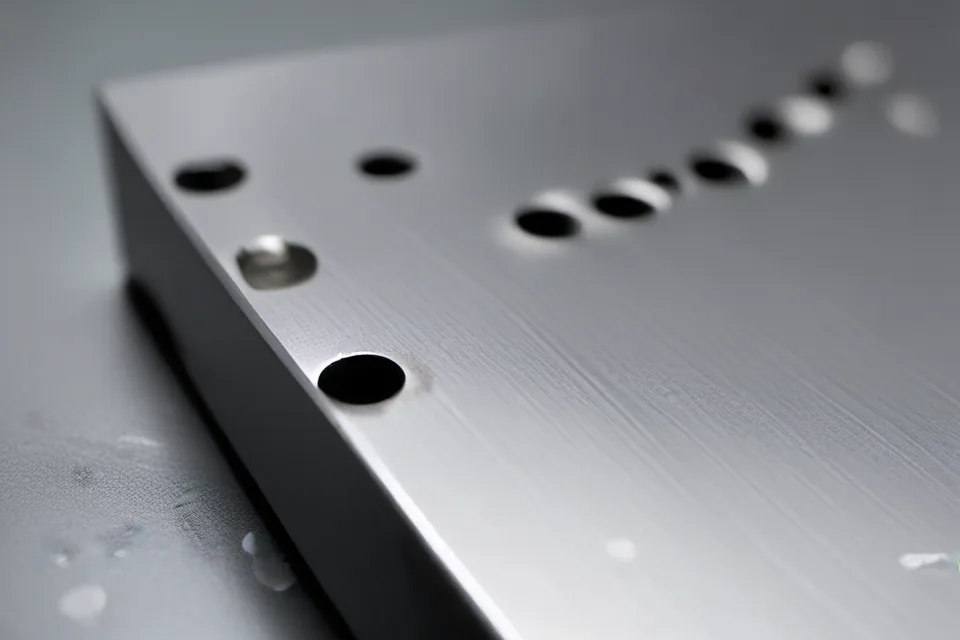
DC426 drills stainless steel with minimal chip space, ensuring efficient material removal at small scales. Its hardness range from 89 to 93 HRC resists work-hardening and heat. Geometry optimized for diameters down to 0.2 mm keeps the tool cutting without sliding. Feed rates of up to 150 mm/min maintain high productivity in micro-drilling applications. Cutting speeds between 60 and 120 m/min allow DC426 to handle various machining conditions effectively.
The physics at this diameter
At 0.2 mm diameter, chip evacuation becomes critical as the flute space is minimal. The carbide material's hardness between 89 and 93 HRC ensures durability against work-hardening stainless steel. Work-hardened stainless steel creates friction at the cutting edge, generating heat that can reduce tool life if not controlled efficiently. A constant flow of chips carries away heat, preventing buildup on the drill bit. The geometry must maintain a fine balance to avoid chip packing or breaking.
At this scale, the drill's cutting speed ranges from 60 to 120 m/min, optimizing material removal and durability. Increased feed rates up to 150 mm/min prevent the tool from sliding and help manage work-hardening effects. Sliding leads to increased friction, accelerating wear and potentially causing chipping or breakage. The DC426 series accommodates these constraints with precise control over cutting parameters. Proper adjustment of speed and feed ensures continuous chip evacuation, maintaining optimal cutting conditions throughout the process.
| Specification | Value |
|---|---|
| Diameter | 0.3 mm |
| Diameter | 0.2 mm |
| Carbide hardness | 89–93 HRC |
| Series diameter range | 0.04–3 mm |
What this material demands
Austenitic stainless steel's tendency to work-harden at the cutting edge demands a sharp tool that penetrates rather than slides on the surface. A flute depth of only 0.2 mm restricts chip evacuation, increasing risk of heat buildup and wear. At 15000 rpm, the higher rotational speed helps push chips out but requires precise control to avoid damage. Lower speeds like 7000 rpm or 5000 rpm reduce stress on the tool but demand careful adjustment of feed rates for optimal cutting efficiency. The DC426's geometry allows it to maintain consistent performance across varying operational parameters, ensuring reliable drilling in tough conditions.
The material's high hardness from 89 to 93 HRC supports resistance against abrasive wear, crucial when drilling stainless steel at various speeds and feeds. However, maintaining a sharp cutting edge is critical as the material work-hardens during machining operations. At lower feed rates of 45 mm/min or 55 mm/min, the tool can manage larger axial depths up to 0.2 mm without excessive heat buildup. Higher feed rates like 150 mm/min require careful monitoring due to increased friction and potential for rapid wear. To ensure longevity and performance consistency, optimal cutting conditions must balance speed and feed parameters while utilizing the DC426's designed geometry effectively.
Tooling that fits the combination
The DC426 drill's geometry at 0.3 mm diameter allows sufficient flute clearance for chip evacuation compared to the tighter 0.2 mm clearance. This larger flute ensures consistent chip removal and prevents build-up in smaller drills. The tool’s sharp point minimizes friction, crucial when drilling stainless steel that work-hardens quickly near the cutting edge. A round corner at the drill tip reduces the risk of chipping, vital for maintaining a clean entry into the material. The coating applied to DC426 enhances wear resistance and prolongs tool life in continuous operation.
For drills smaller than 0.3 mm, a more aggressive geometry might seem optimal but risks overheating and rapid dulling. A sharper point increases initial cutting forces, potentially which leads to premature failure due to high stress concentrations. Slower feed rates can mitigate some issues but decrease productivity significantly. Opting for a less sharp tool reduces entry force but exacerbates surface friction, causing excessive wear. The DC426 balance between flute clearance and hardness offers the right compromise in these conditions.
Cutting data and where it stops working
At 0.2 mm diameter, chip evacuation is critical because flute space limits chip clearance. As cutting speed decreases, tool wear increases due to work hardening. Tool failure starts with increased friction at lower feed rates or higher spindle speeds. When this happens, chips jam and cause overheating, which leads to rapid edge wear. At 0.2 mm diameter, the process limit is when chip evacuation fails, typically around 60 m/min cutting speed.
Lowering feed rate exacerbates friction, further reducing tool life. Raising spindle speed beyond recommended values also leads to poor chip formation and increased wear. Optimal settings balance cutting speed and feed rate for right performance. For consistent results, always use the specified rpm range: 15000 rpm for high speeds down to 5000 rpm for slower operations. Adjusting within this range prevents premature tool failure.
Frequently asked
What is the right rpm for drilling 0.2 mm holes in austenitic stainless steel?
Use 15000 rpm for optimal performance when drilling thin workpieces, reducing to 7000 or 5000 rpm as material thickness increases.
Which DC426 part number should I use for micro-drilling applications?
DC426 is suitable for diameters from 0.04 mm up to 3 mm, ideal for precise work like drilling 0.2 mm holes in stainless steel.
How does the flute design affect chip evacuation when drilling small holes?
The flute design allows chips to be carried out efficiently at 0.2 mm diameter, ensuring continuous cutting without sliding, which is crucial due to stainless steel's tendency to work-harden and retain heat.