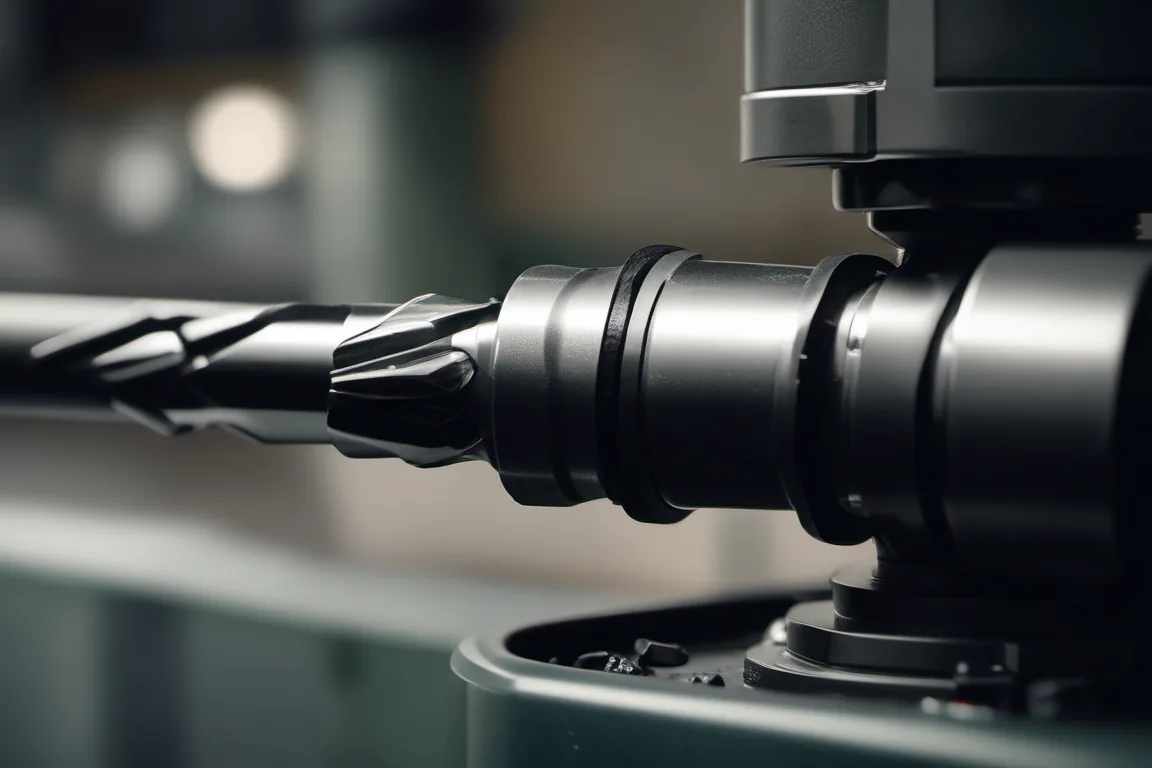
Stick-out length affects carbide cutting tool performance and durability directly. Shorter stick-out reduces vibration, improving accuracy and surface finish during machining operations. This is because a shorter overhang maintains rigidity, preventing chatter and enhancing stability. As stiffness increases, so does the tool's ability to withstand higher cutting forces without deflection or breakage. Minimizing stick-out also extends tool life by reducing stress on the material at the shank. Understanding this relationship helps in selecting optimal tools for various applications. A shorter stick-out length can compensate for less rigid setups, ensuring better performance even with standard carbide tools. This principle applies across different diameters and coatings within the same series, making it a versatile parameter to control. By balancing stick-out with other factors like cutting parameters, users achieve more consistent results in production environments.
The variable and the range it can take
Stick-out length is a critical parameter for carbide cutting tools, affecting both performance and durability directly. Shorter stick-out reduces vibration, increasing accuracy and surface finish quality. The range of stick-out varies depending on tool diameter and fixture clearance requirements. For DC326L series tools, the minimum stick-out should clear the workpiece holder without interference. Maximum stick-out is limited by the flute length to prevent tool failure during cutting operations.
Fixture design and machining conditions dictate the optimal stick-out for each application. A shorter stick-out enhances stiffness but may limit chip evacuation in some setups. Common values range from a fraction of the diameter up to 12 millimeters, depending on workpiece size and material hardness. Longer stick-outs can accommodate larger chips but increase risk of deflection at higher cutting forces. Engineers should balance these factors based on specific process requirements for optimal performance.
| Specification | Value |
|---|---|
| Flute length | 12 mm |
| Carbide hardness | 89–93 HRC |
| Series diameter range | 0.04–3.01 mm |
What it changes in the cut
Reducing stick-out length decreases axial cutting forces on the tool. Lower force means less deflection in the workpiece holder.
With reduced axial force, heat generation at the tool-chip interface diminishes slightly. Less heat improves tool life and surface finish quality.
Where the limit comes from
Carbide hardness ranges from 89 to 93 HRC, making it highly resistant to deformation under force. The flute length of 12 mm limits how far a tool can extend beyond its holder. Flute length interacts with cutting parameters like fz and ap to determine the practical stick-out limit. Common values for fz are 0.005 to 0.08 mm per tooth, while ap ranges from 0.01 to 0.5 mm. Machine rigidity also sets a boundary on how long a tool can be extended without increasing vibration and reducing accuracy.
Workpiece holder strength is another factor limiting stick-out length. Each additional millimeter of stick-out increases the risk of deflection, affecting surface finish quality negatively. Properly set tools minimize axial cutting forces, ensuring better stability during operation. Understanding these constraints helps in selecting optimal tool lengths that balance performance with durability requirements. Shorter stick-out enhances precision and reduces wear on carbide edges.
Setting it in practice
To set stick-out length on a real job, start by measuring clearance needed from your fixture. Adjust tool position so it just clears without touching anything. Next, calculate axial cutting forces based on fz_micro or fz_general values for micro and general cuts. Lower force translates to less deflection in the holder and better stability. In the first hole, monitor chatter marks and tool wear closely. Early signs of poor stick-out length show as excessive vibration or rapid flank wear.
Adjust stick-out gradually if initial tests show instability. Decrease by millimetre increments until optimal performance is reached. Always aim for minimum clearance to maximize rigidity. Stick-out length directly influences the life span of your carbide tool. A shorter stick-out reduces stress on the cutting edge, extending its durability and effectiveness.
Frequently asked
What is stick-out length for carbide tools?
Stick-out length affects stiffness and performance of carbide tools. Keep it as short as possible without interfering with the workpiece or fixture. A shorter tool often performs better than a longer one.
How does flute length impact carbide tool performance?
Flute length on carbide tools influences material removal rate and chip evacuation. For optimal performance, ensure flutes are long enough for adequate chip clearance but not so long as to reduce stiffness.
What is the ideal stick-out for DC326L series tools?
For DC326L tools, keep stick-out as short as possible without hitting the workpiece or fixture. Shorter stick-out improves rigidity and performance, reducing wear and tear on the tool.