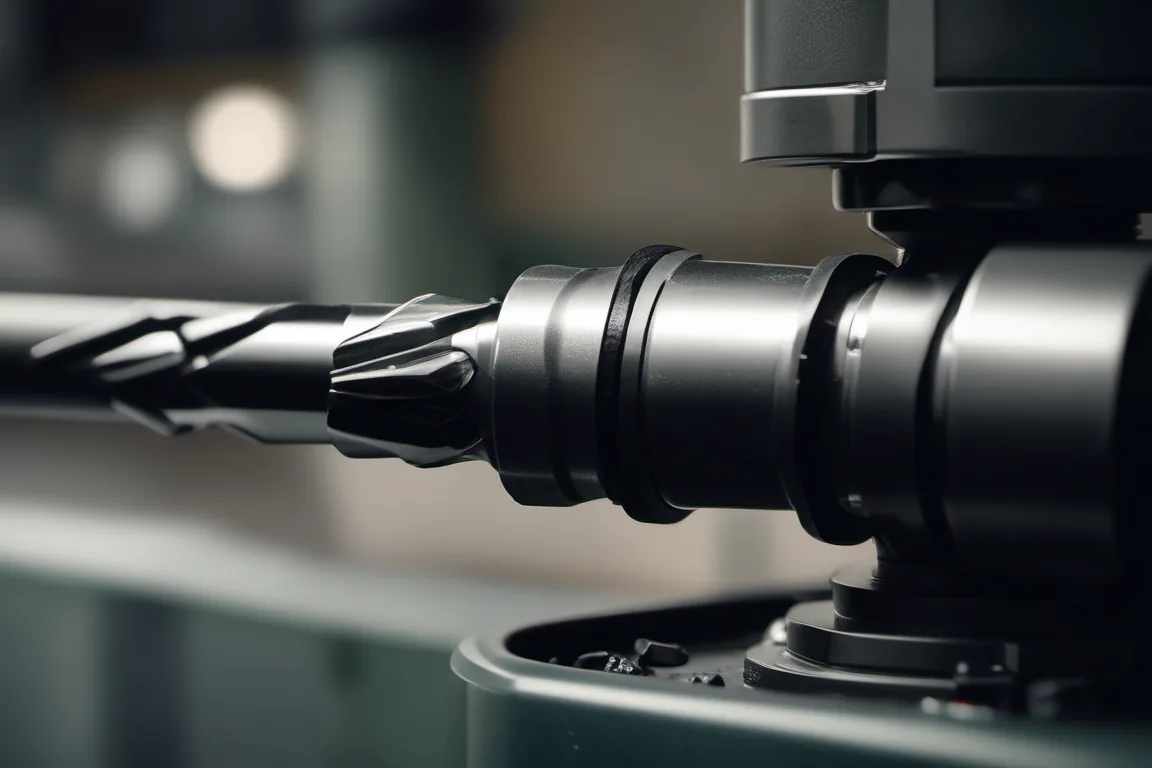
At 0.05 mm diameter, maintaining high spindle speeds is crucial for optimal cutting performance in both aluminium and stainless steel. Achieving the recommended rpm ensures minimal chip load variation during feed rate adjustments. This precision minimizes tool wear and maintains surface quality throughout operations. High-speed machining demands robust machine control to prevent chatter and maintain stability. Stability prevents premature tool failure, extending operational life and reducing downtime.
The variable and the range it can take
Spindle speed is a critical variable for carbide drills in small diameter operations like 0.05 mm. It determines how fast the drill rotates during cutting.
For aluminium workpieces, spindle speeds range from 16,000 to 25000 rpm, ensuring optimal chip formation and surface finish quality. In stainless steel, speeds drop significantly to between 5,000 and 15000 rpm due to material hardness differences.
What it changes in the cut
At 0.05 mm diameter, higher spindle speeds increase cutting force due to faster chip removal rates. Increased speed raises temperature at the tool-chip interface, accelerating wear and reducing tool life. Smaller chips form because of the rapid feed rate and high rotational velocity. This changes the chip load, affecting the stability and efficiency of the cut. Maintaining consistent spindle speed minimizes deviations in force application and material removal. Force variation impacts machine rigidity, requiring precise control to prevent vibration or chatter. Higher cutting speeds generate more heat, which softens the workpiece slightly but can also stress the tool coating. Smaller chip size at high feed rates means less thermal energy is dissipated per chip volume. Adjusting spindle speed while keeping feed constant alters the depth of cut dynamics significantly. Properly managing these parameters ensures stable and efficient cutting operations.
Where the limit comes from
Carbide drill hardness ranges from 89 to 93 HRC, making it highly resistant to wear and breakage at high speeds. High spindle speeds of up to 25000 rpm ensure efficient chip evacuation for aluminium workpieces. For stainless steel, lower spindle speeds of around 15000 rpm are recommended due to material hardness differences. Machine rigidity must support these high rotational speeds without vibration or deflection issues. Optimal cutting performance relies on the balance between spindle speed and feed rate adjustments. Achieving the specified spindle speeds requires a robust machine capable of precise control at these extreme velocities. Chip load per tooth, expressed as 0.02 to 0.08 mm/tooth for general operations, must be carefully managed. Depth of cut also plays a role; typically it ranges from 0.1 to 0.5 mm in standard applications. Higher speeds mean more frequent tool changes due to faster wear rates at the cutting edge. Proper coolant application is essential to prevent overheating and maintain cutting efficiency.
Setting it in practice
Set the spindle speed according to the material being machined and the cutting data provided. For aluminium, start at 25000 rpm for optimal performance and chip clearance. Monitor initial cuts closely; adjust feed rate if chips are too thick or too thin. Ensure consistent chip formation by balancing spindle speed and feed rate carefully. For stainless steel, reduce speeds to a maximum of 15000 rpm due to its higher material hardness. Maintain a stable tool path to prevent chatter and ensure smooth drilling operations.
Check for any signs of overheating; high temperatures can degrade tool life quickly. Use coolant or air blasts if necessary to manage heat during the operation effectively. Consult specific cutting data tables in the catalogue for precise settings on different materials. Adjust parameters gradually as needed, observing how changes affect machining quality.
Frequently asked
What is the spindle speed for drilling 0.05 mm holes in aluminium?
For aluminium, use a minimum spindle speed of 25000 rpm when drilling at 0.05 mm diameter. Adjust feed rates according to your material hardness and desired chip load.
How do I determine the correct cutting data for stainless steel with a 0.05 mm drill bit?
When working with stainless steel, set your spindle speed between 15000 rpm for optimal results at 0.05 mm diameter. Ensure feed rates match recommended values to prevent tool wear and ensure chip formation.
What are the recommended settings for drilling micro holes in hard materials like aluminium or stainless steel?
For micro holes in hard materials, use a spindle speed of 25000 rpm with a 0.05 mm drill bit in aluminium. In stainless steel, start at 15000 rpm and adjust feed rates to maintain proper chip load for tool longevity.