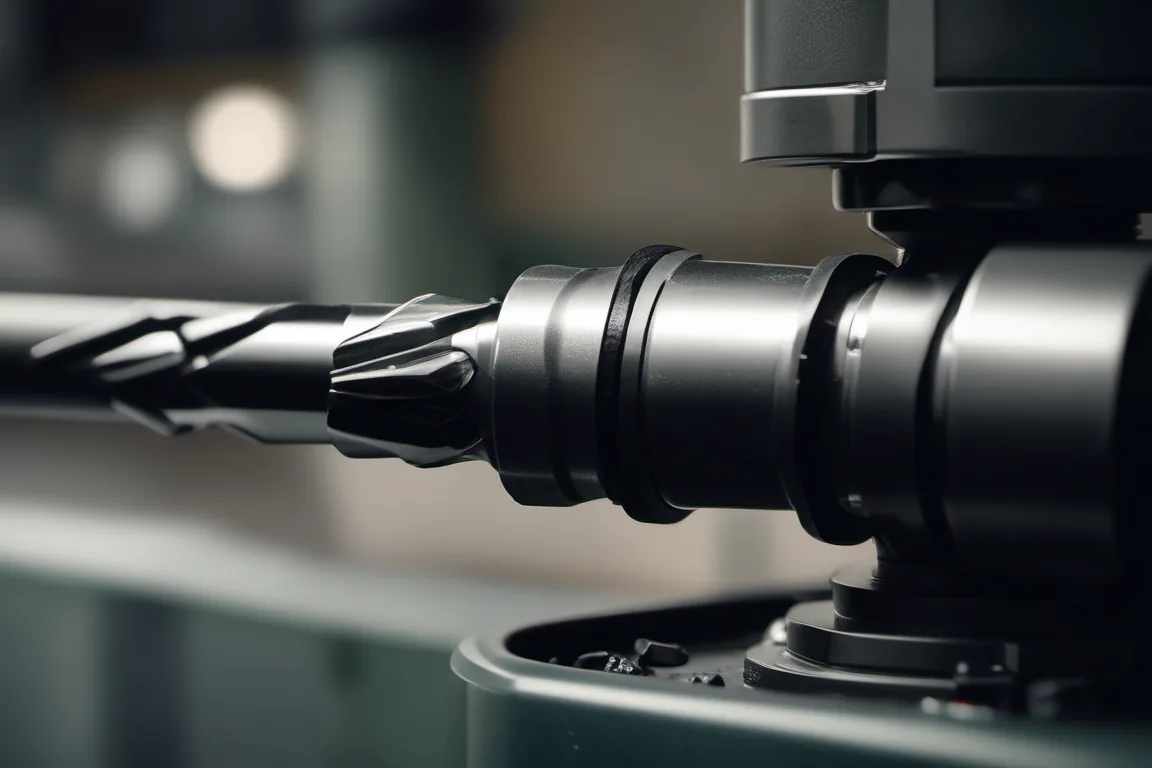
Axial depth controls how much tool engages with material, affecting cutting forces and chip formation. Higher axial depths increase load on each flute but reduce overall cycle time. Lower depths spread this load over more passes, reducing risk of workpiece damage.
Choosing optimal axial depth balances surface finish requirements against productivity goals, ensuring stable cuts without excessive wear or chatter.
The variable and the range it can take
Axial depth of cut, or ap, determines how deeply each flute penetrates during machining. This parameter influences chip thickness and surface finish quality significantly.
For micro-machining operations with fine details, axial depths range from 0.01 to 0.05 millimeters for precision work. In general machining tasks, the range expands up to 0.5 millimeters.
Axial depth also affects tool life; deeper cuts can cause quicker wear due to increased heat and pressure. Smaller ap values reduce stress on the cutting edge but may require more passes to complete a job.
Choosing an appropriate axial depth ensures optimal performance and longevity of carbide tools, balancing efficiency with material removal rates. Proper selection depends on workpiece material hardness and desired surface finish quality.
Understanding these parameters helps in selecting correct machining strategies for various applications, enhancing productivity without compromising tool integrity.
What it changes in the cut
Increasing axial depth raises cutting forces because more material is removed per tooth pass. Higher loads lead to greater deflection and potential chatter, affecting surface finish negatively.
Increased axial depth also elevates temperatures at the tool-chip interface due to more frictional heat generation. Heat can soften the cutting edge, reducing wear resistance over time.
Reducing axial depth decreases chip thickness proportionally, which leads to thinner chips that cool faster. Thinner chips are easier to break and remove from the workpiece efficiently.
Smaller axial depths mean less material engagement per tooth, reducing peak forces on the tool holder. Lower forces improve machining stability for delicate operations or thin-walled parts.
Lower axial depth settings can enhance chip control by avoiding excessive rubbing between flutes. Better chip flow minimizes risk of re-cutting chips and improving overall part quality consistency.
Where the limit comes from
The axial depth of cut limit is set by tool strength and flute engagement length. Harder materials like carbide can handle higher forces but have limits on deflection.
Tool geometry affects chip clearance and heat dissipation, impacting optimal ap values for stability. Smaller diameters mean less material removal per pass, requiring shallower depths.
Machine rigidity also constrains axial depth. A rigid setup supports deeper cuts without vibration issues. Flexibility in the machine or workpiece requires more cautious ap settings.
Workpiece properties like hardness and machinability influence ap choice. Softer materials allow larger axial depths because of reduced cutting forces and heat generation.
Testing reveals limits where excessive wear or breakage occurs, guiding safe maximum ap values for each application scenario. These tests ensure reliable tool performance across various machining conditions.
Setting it in practice
For your first cut with the tool, start with a low axial depth and high feed rate. This approach prevents rubbing that can cause heat buildup and poor surface finish. Adjust the axial depth gradually as you observe stable cutting without vibrations. If chatter occurs at any point, reduce the axial depth until smooth operation resumes. Monitor chip formation closely; consistent chips indicate optimal settings for both ap and fz.
After establishing a baseline setting, increase the axial depth incrementally to improve efficiency. Use lower feed rates when increasing axial depth to maintain stability and prevent excessive tool wear. Optimal cutting parameters vary between different materials and workpiece geometries. Always ensure that the chip thickness does not exceed recommended limits to avoid mechanical failures. Regularly inspect the tool for signs of wear or damage during prolonged use.
Frequently asked
What is the recommended axial depth of cut for carbide tools?
Axial depth of cut depends on material and tool stability. For alloys, use \( ap \) values from 0.1 mm to 0.5 mm; for moulds, use 0.1 mm to 0.5 mm too. Smaller depths reduce rubbing risk, allowing higher feeds.
How does axial depth affect cutting performance?
Axial depth affects tool load and flute contact length. A smaller \( ap \) with high feed rate reduces rubbing and wear, improving tool life and surface finish. Increase gradually as cut becomes stable.
Can I use the same axial depth for all materials?
No, vary axial depth based on material type. For alloys, start at 0.1 mm to 0.5 mm; moulds also use similar ranges but adjust according to specific requirements and stability of the setup.