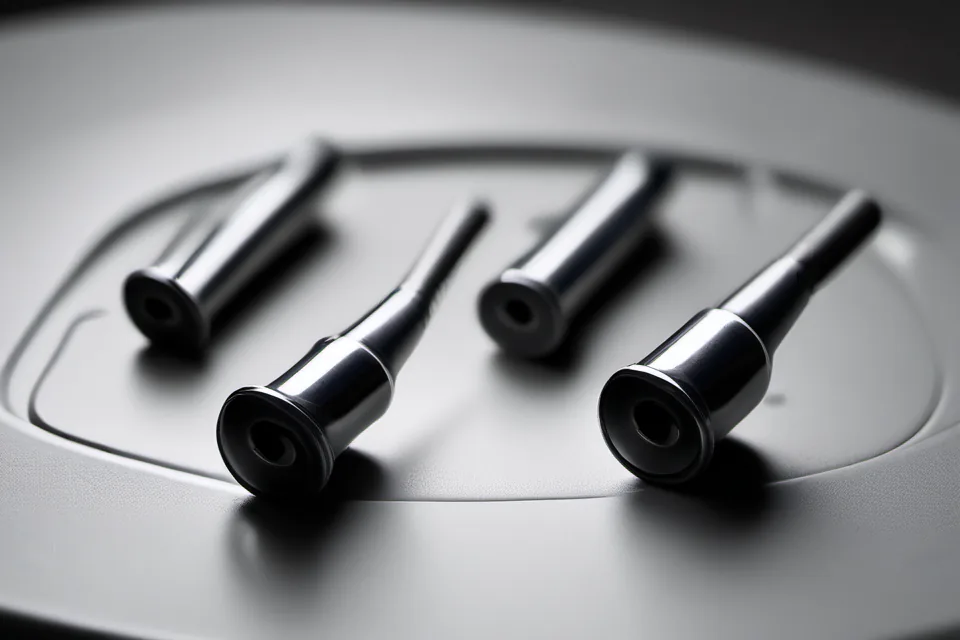
Runout causes uneven wear on carbide tools, principal 1 flute to do more work than others. This results in faster wear and inconsistent hole sizes during machining operations. Identifying runout early prevents tool damage and improves manufacturing accuracy. Runout can be detected by measuring the holder’s concentricity before use. Ensuring proper alignment extends tool life and maintains quality standards.
The symptom as it appears
When runout affects a carbide tool, 1 flute wears faster than others. The hole diameter becomes inconsistent, often larger on one side. This uneven wear causes the cutting edge to chip at one end only. On inspection, the flutes appear more worn and chipped compared to other sections. Runout also shortens the overall lifespan of the tool significantly.
The part shows irregular wear patterns that deviate from expected uniformity. The surface finish is poor where excessive wear occurs, indicating uneven cutting forces. This discrepancy can lead operators to believe the carbide material itself is flawed. However, examining the holder reveals misalignment issues causing runout problems. Addressing the holder alignment resolves these symptoms and restores tool performance.
| Specification | Value |
|---|---|
| Shank diameter | 3.17 mm |
| Diameter | 0.5 mm |
| Carbide hardness | 89–93 HRC |
What can produce that symptom
Runout occurs when a tool holder is not properly aligned or worn out, causing uneven pressure on the carbide insert. This misalignment results in 1 flute doing more cutting than others, which leads to premature wear. Excessive runout can be detected by measuring inconsistencies in hole diameters and observing uneven wear patterns across flutes. Chips may appear larger and less uniform on one side of the tool compared to others. Inspecting the holder for signs of damage or excessive play is crucial before blaming the carbide insert.
A worn-out holder socket might not secure the insert tightly, causing it to wobble during operation. Ensuring that the machine spindle has adequate concentricity also prevents runout issues. Proper maintenance and alignment of both the holder and spindle are essential for consistent tool performance. Replacing a damaged or loose holder can significantly reduce uneven wear on carbide tools, which leads to longer tool life and more accurate machining results.
The order to check things
To identify runout issues, start by checking the tool holder for wear or misalignment first. This step is cost-effective and often reveals the problem quickly without further testing.
Inspect the shank diameter of DC326 to confirm it matches the specified 3.17 mm exactly. Any discrepancy indicates holder alignment problems causing uneven pressure on the insert. Next, measure the runout using a dial gauge for precise results.
Confirming the cause before changing anything
To confirm runout, measure the holder’s radial deviation with a dial indicator. Set the tool as it would be used and rotate it by hand slowly. Check for any wobble or side-to-side play that exceeds 20 micrometres tolerance. A worn-out holder can add up to 50 micrometres of runout error. Compare this measurement against new holder specifications provided by the manufacturer.
If excessive, replace the holder before adjusting other parameters. A properly aligned holder ensures even pressure across all flutes equally. This prevents premature wear on any single flute and maintains hole diameter consistency. If runout is confirmed, recalibrate or replace both the collet and spindle components too. Ensuring these parts are in good condition minimizes tool deflection issues.
Frequently asked
Why does 1 flute wear faster than others on my carbide drill?
Runout in the holder causes uneven load distribution, making 1 flute do more work and which leads to premature wear on that side. Check for runout before assuming tool failure.
How can I avoid uneven wear when using a DC326 carbide drill?
Ensure your chuck or collet holds the shank securely with no runout. A loose fit will cause uneven cutting, accelerating wear on 1 flute and reducing tool life.
What causes chipping at the edge of my carbide tool during drilling?
Excessive runout in your holder can force the tool to cut off-centre, which leads to uneven pressure that results in premature chipping on one side. Always measure for runout before use.