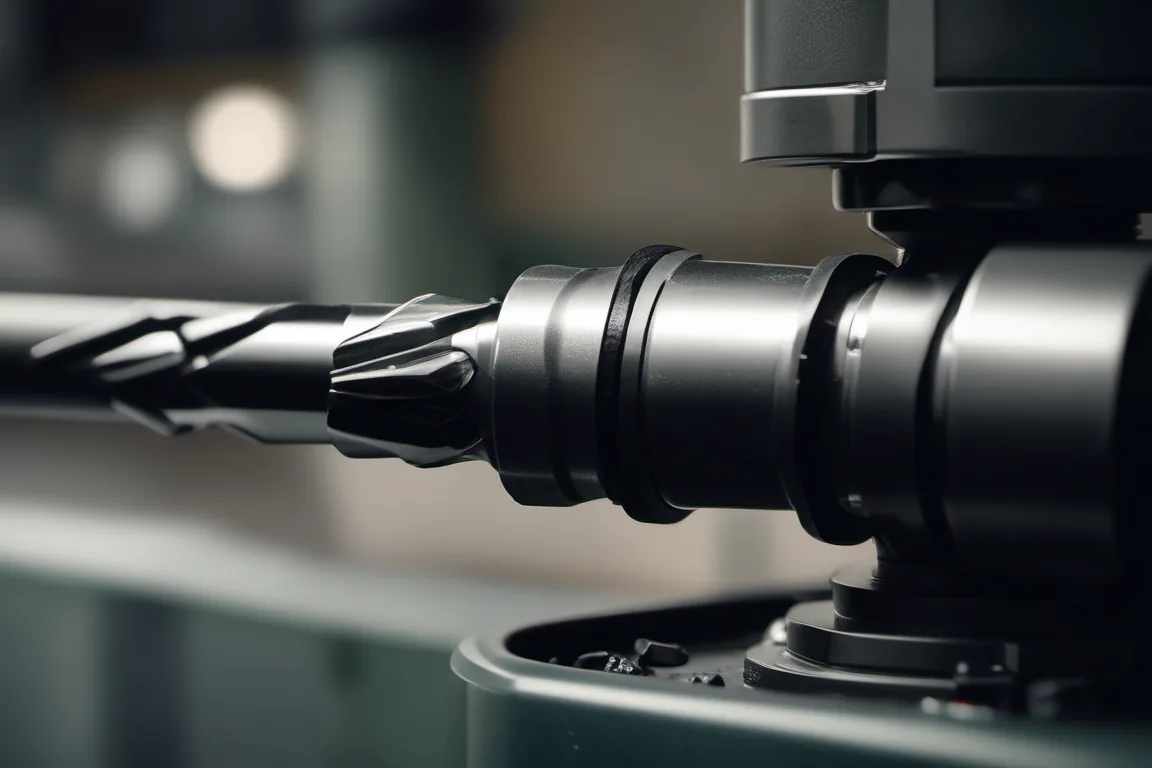
Reducing feed at entry prevents skidding and keeps holes on position for the HDC636 series tools. Hardened carbide with an 89–93 HRC rating maintains edge integrity under high cutting forces. A 130-degree point angle ensures stable engagement in thin sections. Feeds of 50 to 1200 mm/min and speeds up to 250 m/min optimize entry for consistent hole quality. Initial feed reduction extends tool life by minimizing wear on the unengaged part.
The variable and the range it can take
Feed rate at entry affects hole accuracy for carbide tools like HDC636 series. Lower feed rates prevent initial skidding and ensure precise positioning. For optimal performance, feed rates should range from 50 mm/min to 1200 mm/min in aluminium applications. This adjustment ensures the tool starts cutting without slipping or damaging material surface. Reducing feed at entry also minimizes wear on carbide edges during initial engagement.
Properly managed entry reduces overall stress on the cutting edge, extending tool life significantly. The HDC636 series features a hardened carbide body rated between 89 and 93 HRC for durability. This hardness range resists deformation under high-pressure conditions at low feed rates. Adjusting feed rates according to material type and thickness is critical for maintaining hole accuracy and prolonging tool lifespan during machining operations.
| Specification | Value |
|---|---|
| Point angle | 130 ° |
| Carbide hardness | 89–93 HRC |
| Series diameter range | 0.15–3.72 mm |
What it changes in the cut
Reducing feed at entry decreases cutting force per edge for HDC636 tools. This reduction prevents skidding during partial engagement in the cut. Lower initial forces mean less heat generation on entry. Reduced temperature helps maintain tool geometry integrity longer. Higher feed rates produce thicker chips, which require more energy to form.
Thinner chips result from reduced feed at entry, which leads to better chip control and removal efficiency. Reduced force allows for finer control over material removal, improving surface finish quality in the initial cut. Better control means fewer rework cycles due to initial positioning errors. Decreasing feed rate also extends tool life by minimizing stress concentrations on entry. This practice ensures consistent performance throughout the cutting process.
Where the limit comes from
The HDC636 series has a hard carbide tip with an 89–93 HRC rating that resists wear during entry cutting. This hardness maintains sharpness but requires careful control of feed rates to prevent skidding.
For aluminum, initial feed should be no more than 50 mm/min for the first few millimeters to avoid excessive force and ensure accurate hole placement. Once fully engaged, higher feeds like 1200 mm/min can resume without risk of damage or position deviation. Machine rigidity also impacts entry accuracy; stiffer machines handle lower feed rates better. Workpiece material hardness affects this limit too; softer materials tolerate slower initial feeding to avoid skidding issues.
Setting it in practice
To set reduced feed at entry on a real job with HDC636 tools, start by reducing the initial feed rate to half or less than your standard setting. For example, begin with a feed of 50 mm/min when cutting aluminium for the first few millimetres to ensure proper hole positioning and prevent skidding. Once the tool is fully engaged, gradually increase the feed rate to match typical machining conditions. This prevents wear on the carbide tip by minimizing stress during entry.
Monitor the initial hole for any signs of skid or misalignment. Adjust the feed rate as necessary until optimal accuracy and surface finish are achieved. If you encounter excessive chatter or tool vibration at low feed rates, consider adjusting spindle speed within the recommended range to stabilize cutting conditions.
Frequently asked
Why should I reduce feed at entry for carbide tools?
Reducing feed at entry helps prevent skidding and keeps the hole on position, especially when the tool is partly engaged. This practice slightly extends setup time but ensures accurate drilling.
What are the optimal RPM settings for aluminium drilling with HDC636?
For aluminium drilling, use HDC636 with rpm between 25000 to 16000 depending on material thickness and desired surface finish. Higher speeds suit thinner materials.
How do I select the right feed rate for general cutting operations?
Choose a feed rate of 0.02 to 0.08 mm/tooth for general cutting with HDC636 tools. Adjust based on material hardness, ensuring optimal chip formation and tool life.