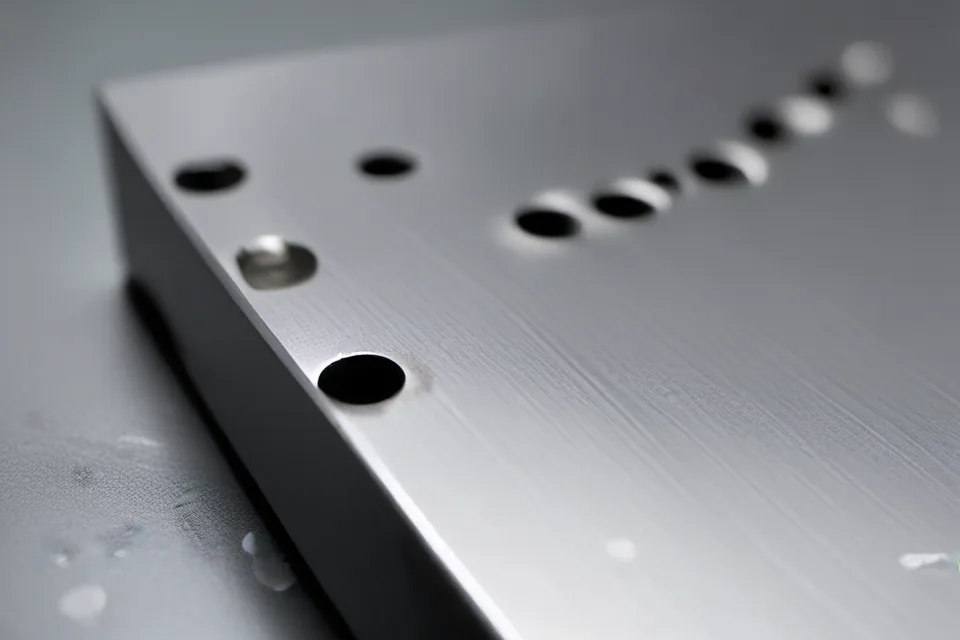
The DC426 drill bit, with an 89–93 HRC hardness and black coating, excels at high speeds for stainless steel drilling. Its sharp geometry minimizes friction, reducing heat buildup during cutting. This prevents work hardening, maintaining tool life even in challenging materials like austenitic stainless steel. High spindle settings from 15000 rpm to 5000 rpm ensure efficient chip evacuation and consistent performance. The drill's durability allows for prolonged operation without frequent replacements or speed adjustments.
The physics at this diameter
At 0.5 mm diameter, the DC426 drill bit maintains sharp geometry that minimizes friction with austenitic stainless steel at high speeds. This sharpness reduces the risk of work hardening by ensuring continuous chip formation without sliding. The black coating on the tool surface provides thermal stability, critical for maintaining cutting efficiency during prolonged operations. Higher rotational speeds like 15000 rpm produce more heat than lower settings like 7000 rpm or 5000 rpm, affecting tool life and material removal rates. Reduced feed rates such as 30 mm/min help manage temperature buildup compared to faster feeds of 45 mm/min or 55 mm/min.
Heat management becomes crucial at these small diameters due to the concentration of cutting forces in a smaller area. The carbide's hardness allows it to resist wear and maintain its edge integrity even when operating near the upper speed limit for stainless steel. A lower feed rate, around 150 mm/min, can be used to control chip formation and prevent excessive heat generation. This helps preserve the black coating’s effectiveness in retaining cutting fluid and dissipating heat away from the cutting zone. By optimizing both spindle speed and feed rate, operators can achieve longer tool life and better hole quality at this critical diameter range.
| Specification | Value |
|---|---|
| Diameter | 0.5 mm |
| Carbide hardness | 89–93 HRC |
| Series diameter range | 0.04–3 mm |
What this material demands
Stainless steel's high work-hardening rate generates significant heat at the cutting edge during drilling. This increases friction between the tool and material, potentially causing a dulling effect. Dullness reduces cutting efficiency, which leads to higher temperatures that further accelerate wear on the carbide tool. At 0.5 mm diameter, maintaining sharp geometry is crucial for minimizing this heat generation. Sharp edges cut cleanly through stainless steel, reducing the chance of work-hardening at the point of contact.
The black coating helps dissipate some heat but does not prevent friction-induced wear entirely. Friction causes material transfer from the workpiece to the tool surface, further dulling it and increasing cutting forces. This cycle can limit how long a tool remains effective under continuous use conditions. Effective cooling is essential for extending tool life during stainless steel drilling operations at high speeds. Ensuring adequate coolant flow helps maintain edge sharpness and reduces temperature buildup around the drill bit.
Tooling that fits the combination
The DC426 drill bit uses a sharp geometry with an optimized point angle that reduces cutting forces significantly. This minimizes heat generation at high spindle speeds like 15000 rpm and ensures consistent chip formation. At these speeds, the black TiAlN coating on DC426 resists wear better than uncoated tools due to its higher hardness. It also has a low friction coefficient that prevents galling even when drilling highly work-hardened material. The alternative of using a standard drill without such geometry or coating would lead to increased tool wear and poor surface finish.
The lack of sharp edges means more rubbing, which raises temperatures dangerously high. Higher cutting forces from suboptimal geometry cause premature failure at the recommended spindle settings for stainless steel. This results in frequent retooling and increased downtime for maintenance. For effective drilling in austenitic stainless steel, DC426's combination of sharp geometry and advanced coating remains essential. It provides extended tool life and superior performance compared to standard drill bits.
Cutting data and where it stops working
As surface speed reaches 60 m/min or higher, friction increases due to stainless steel's work-hardening properties. This causes temperatures to rise, affecting tool life and cutting efficiency. The drill bit must maintain a sharp edge to prevent excessive heat buildup and sliding. At the upper end of the recommended rpm range, typically around 15000 rpm for small diameters, temperature limits become critical.
Beyond this point, wear accelerates rapidly, which leads to poor surface finish and shorter tool life. Proper coolant application becomes crucial to manage cutting temperatures effectively. For larger diameters or slower speeds, such as 7000 rpm, the drill can handle higher feed rates without immediate failure. However, increasing the feed too much risks pushing the tool into a sliding condition, which reduces performance and longevity.
Frequently asked
What is the right rpm for drilling 0.5 mm holes in stainless steel?
For drilling 0.5 mm holes in austenitic stainless steel, use an RPM range of 15000 down to 5000 depending on material condition and machine stability. Higher speeds reduce cutting time but increase heat and wear risks.
Which drill bit should I choose for 0.5 mm hole drilling?
Use DC426 series bits with a black coating, ideal for small diameters like 0.5 mm in stainless steel. This coated carbide ensures durability against work hardening and high temperatures.
How do I set the feed rate for 0.5 mm drills in stainless steel?
Set your feed rate at 30 to 150 mm/min depending on material hardness, machine capacity, and desired surface finish. Lower feeds help prevent tool wear, while higher feeds speed up drilling but may compromise quality.