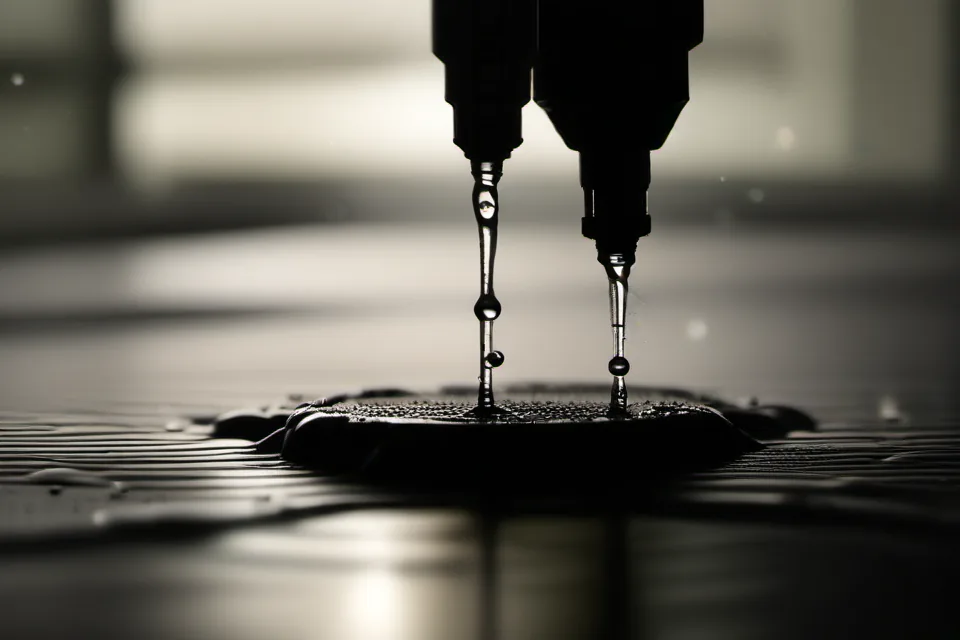
Delivering coolant directly to a small edge reduces temperature and wear compared to flood cooling, which often misses the cutting zone. Carbide tools with direct coolant channels maintain their hardness at high temperatures, prolonging tool life in hard-to-cool areas like deep holes.
The variable and the range it can take
Carbide hardness varies between 89 HRC and 93 HRC, providing a range that balances toughness with wear resistance in cutting tools. The DC426L series includes diameters from 0.04 mm to 3 mm, suitable for precise machining operations requiring high accuracy and durability. Coolant delivery pressure can be adjusted based on tool diameter; finer tools benefit from higher pressures to ensure coolant reaches the cutting edge effectively.
For optimal performance in stainless steel applications, recommended RPM settings are 15000 rpm, 7000 rpm, and 5000 rpm, depending on specific workpiece requirements and material hardness. Feed rates for common materials range from 30 mm/min to 45 mm/min, increasing up to 55 mm/min or even higher at 150 mm/min under certain conditions.
| Specification | Value |
|---|---|
| Diameter | 0.5 mm |
| Carbide hardness | 89–93 HRC |
| Series diameter range | 0.04–3 mm |
What it changes in the cut
Direct coolant delivery lowers edge temperature during cutting by ensuring continuous fluid flow over the tool surface and into the small clearance space between flutes and workpiece. This cooling action reduces thermal stress, preventing premature wear of the carbide material that operates within 89 to 93 HRC range. Reduced temperature also decreases chip formation force. Lower forces mean less deformation in chips, resulting in thinner and more consistent chip thicknesses during machining operations.
Coolant reaching the edge effectively removes heat from the cutting zone, reducing local thermal damage to the tool surface. This extends tool life by maintaining sharpness longer at high speeds and feeds. Through-tool cooling improves chip evacuation efficiency as well, preventing chip build-up that can interfere with clean metal removal or cause premature tool failure under heavy loads.
Where the limit comes from
Coolant delivery limits depend on tool geometry and cutting parameters. Smaller diameters like 0.5 mm restrict coolant flow due to high centrifugal forces. High speeds of up to 15000 rpm increase fluid throw, further limiting edge cooling. Lower speeds down to 7000 rpm reduce this effect but do not solve it fully. Coolant pressure and nozzle design influence how much reaches the cutting zone.
Direct injection minimizes temperature spikes at the tool-workpiece interface. Machine rigidity and coolant system capacity also affect delivery efficiency. Less rigid machines may deform under high torque, impeding coolant flow. Workpiece material properties play a role too; stainless steel requires more cooling than common steels due to higher heat generation during machining.
Setting it in practice
To set up coolant delivery, adjust machine parameters according to tool diameter and material type first. For stainless steel, start with rpm at 15000 for optimal cooling efficiency. Reduce feed rate gradually from initial 30 mm/min to maintain cutting fluid effectiveness. Adjust coolant pressure as necessary; too high can damage the tool or reduce chip clearance. Monitor the first few holes closely for signs of overheating or poor chip formation.
For common materials, use lower rpm settings such as 5000 for better stability and edge protection. Increase feed rate up to 150 mm/min when machining softer metals for efficient material removal. Ensure coolant reaches the cutting zone through appropriate nozzles or internal channels. Check tool wear frequently during initial operations; small adjustments might be needed. Evaluate chip color and consistency to confirm proper cooling and cutting conditions.
Frequently asked
How do I get coolant to the edge of a small hole?
Use through-tool coolant delivery for deep, narrow holes where flood cooling is ineffective due to fluid flinging off the flutes.
What are good cutting parameters for DC426L in stainless steel?
For DC426L in stainless steel, use rpm: 15000-7000, feed: 30-45 mm/min, vc: 60-120 m/min. Adjust based on workpiece and tool condition.
What is the flute diameter range for DC426L?
DC426L has a diameter range from 0.04 to 3 mm, making it suitable for various precision applications including micro-machining.