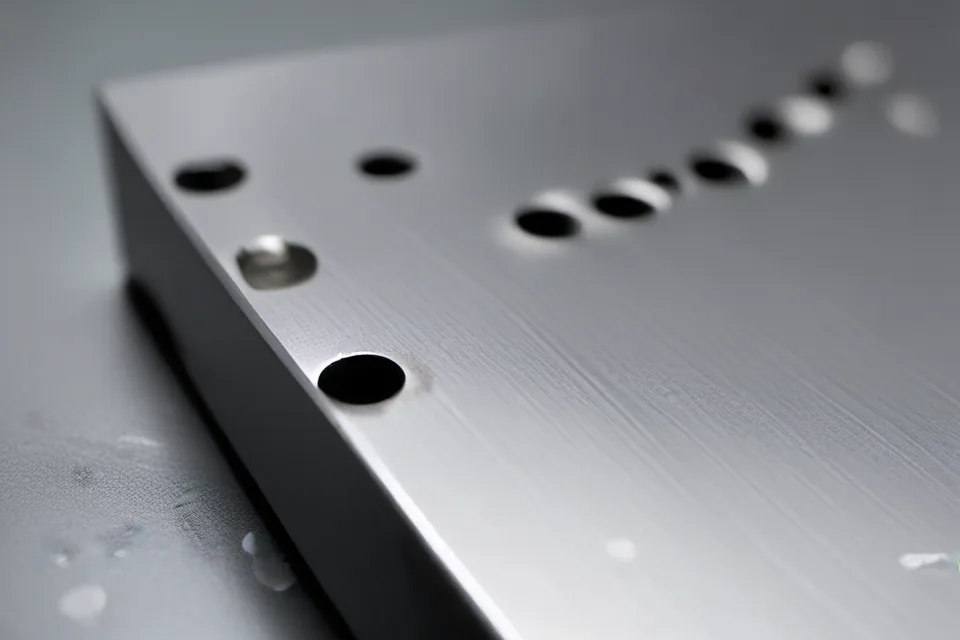
DC426 drills stainless steel up to 3 mm diameter with hardness ranging from 89 to 93 HRC at optimal speeds and feeds. Cutting data specifies rpm between 15000 and 5000, feed rates from 30 to 150 mm/min, and vc from 60 to 120 m/min. This ensures the tool maintains cutting efficiency without sliding or rubbing against hardening material. High hardness prevents wear and maintains sharp edges under heavy loads. Optimal geometry minimizes bending stress at the shank step for reliable performance in tough conditions.
The physics at this diameter
At 3 mm diameter, the drill engages deeply into austenitic stainless steel, work-hardening begins where it rubs against the material. The black coating on DC426 reduces friction, allowing higher cutting speeds without excessive heat build-up at the tip. Higher rpm values between 15000 and 7000 ensure efficient chip evacuation while preventing chip welding in stainless steel. At lower feed rates around 30 mm/min to 55 mm/min, the drill maintains consistent cutting force, avoiding edge wear. The tool’s geometry focuses cutting forces towards its shank step, minimizing bending stress concentrations at this critical point.
Conversely, maintaining optimal speeds and feeds prevents work hardening from overwhelming the carbide's hardness range of 89 to 93 HRC. Higher feed rates up to 150 mm/min reduce contact time with stainless steel, decreasing heat generation and extending tool life. As diameter increases, cutting data shifts to accommodate higher forces without sliding, ensuring efficient material removal rates. Work-hardening effects intensify at larger diameters, stressing the need for precise control over cutting parameters to prevent chipping. Maintaining a balanced approach between speed and feed ensures steady chip formation, critical for achieving surface finish requirements.
| Specification | Value |
|---|---|
| Diameter | 3 mm |
| Carbide hardness | 89–93 HRC |
| Series diameter range | 0.04–3 mm |
What this material demands
High hardness of austenitic stainless steel causes work hardening near the cutting edge at 3 mm diameter. Cutting forces increase as material resistance grows. Black coating on DC426 reduces friction, helping maintain chip control and preventing rubbing against the material. Heat remains concentrated at the cutting edge during drilling. Higher rotational speeds up to 15000 rpm reduce contact time per tooth, minimizing work hardening effects.
Slower feeds of 30 mm/min allow more heat dissipation through the tool body. At lower speeds like 7000 rpm or smaller drills, work hardening becomes a significant issue. This limits achievable feed rates and necessitates careful selection of cutting parameters. Proper use of DC426 ensures continuous chip formation and prevents built-up edge formation on stainless steel. Tool life extends when the drill remains effective at removing material without sliding.
Tooling that fits the combination
The DC426 drill uses a black PVD coating that resists heat and wear at high speeds up to 60 m/min. At lower speeds down to 15000 rpm, this coating prevents galling during work hardening. A positive rake geometry helps the DC426 cut into stainless steel without rubbing. This minimizes friction and reduces tool wear compared to a negative rake design at 3 mm diameter. The drill's optimized flute length supports longer overhangs for reaching deep holes in confined spaces. Long overhang requires high rigidity, provided by the thick core of DC426.
High rigidity prevents bending stress concentration at the shank step. A helical flute design reduces vibration and chatter during drilling operations. This stability ensures consistent chip evacuation and cutting performance even at slower speeds like 5000 rpm. The drill's sharp point angle minimizes initial cutting resistance, easing entry into hard materials. Lower feed rates of 30 mm/min at higher speeds maintain peak efficiency without sacrificing tool life.
Cutting data and where it stops working
At 3 mm diameter, drilling stainless steel causes work hardening near the cutting edge. Cutting forces increase as material resistance grows. Speeds drop from 60 m/min to 5000 rpm to manage heat and wear. Feed rates decrease from 150 mm/min at high speeds to 30 mm/min for stable low-speed operations. Lower speeds and reduced feed help maintain cutting action, preventing the tool from sliding.
Work hardening in stainless steel increases friction between drill and material, raising temperatures near the cutting edge. High hardness limits drilling efficiency beyond a certain point. The process stops when the drill cannot penetrate deeper without excessive force or heat buildup. At this limit, material removal rate drops significantly, indicating an end to effective machining. Adjusting parameters such as speed and feed before reaching this threshold ensures optimal performance.
Frequently asked
What is the correct rpm for drilling 3 mm holes in stainless steel?
Use speeds of 15000 rpm for thin materials and reduce to 7,000 or 5000 rpm for thicker sections based on the workpiece thickness.
How do I choose the right feed rate for a 3 mm drill bit in stainless steel?
Set your feed rates at 30 mm/min for precision parts. For faster operations use 45 to 55 mm/min or up to 150 mm/min if material is thick enough and stability permits.
What coating should I select for drilling 3 mm holes in austenitic stainless steel?
Select a black-coated DC426 drill bit designed for optimal performance in tough stainless steels, ensuring durability and ease of use.